10 Mistakes You Should NEVER Make on Peptides dont ignore these
10 Peptide Mistakes You Should Never Make: A Complete Protocol Guide for BPC-157, CJC-1295, Ipamorelin & More
Peptides like BPC-157, CJC-1295, Ipamorelin, and TB-500 have exploded in popularity among researchers and wellness enthusiasts — but poor protocols, unverified sources, and metabolic blind spots are quietly destroying results for the majority of users. In this comprehensive guide, our research team breaks down the 10 most critical peptide mistakes observed across thousands of cases, provides actionable fixes for each one, and explains the foundational science behind why these errors matter. Whether you are brand new to peptide research or an experienced user hitting a wall, this article will change how you approach every single protocol going forward.
Why Most Peptide Protocols Fail Before They Begin
The uncomfortable truth about peptide use is that the majority of people cannot clearly articulate why they are taking a specific compound, what dose they are using and why, how long they have been on it, or when they plan to stop. This is not a minor oversight. It represents a fundamental gap between using peptides casually and using them strategically. Peptides are not supplements you simply add to a routine and forget about. They are precise biological signaling molecules, and the difference between transformative results and wasted money almost always comes down to protocol quality, not the peptide itself.
Below, we walk through all 10 mistakes in order of impact, saving the single most consequential error for last.
Mistake #10: Skipping Baseline Bloodwork Before Starting Any Peptide
This is one of the most universally ignored steps in peptide research. Someone reads about BPC-157 or CJC-1295 with DAC, orders a vial, begins injecting, and never establishes a single baseline measurement. Three months later, when routine bloodwork reveals elevated IGF-1, elevated inflammatory markers, or a disrupted thyroid panel, there is no way to determine whether the peptide caused the change, whether the issue existed beforehand, or whether the peptide actually improved something that was already trending worse.
Without a before, you do not have an after — you have a guess. Baseline labs are not primarily a safety net; they are your scorecard. Without them, you are spending money on something you cannot measure, and that is not a protocol — that is hope.
Recommended Baseline Panel Before Starting Peptides
- IGF-1 — critical for anyone running growth hormone secretagogues like CJC-1295 or Ipamorelin
- Fasting insulin — to assess metabolic health and insulin sensitivity
- High-sensitivity CRP — a marker of systemic inflammation, especially relevant for healing peptides
- Expanded thyroid panel (TSH, Free T3, Free T4, Reverse T3) — thyroid function influences how most peptides perform
- Sex hormone panel (testosterone, estradiol, SHBG) — particularly important when running tissue-repair peptides like BPC-157 or TB-500
Mistake #9: Failing to Verify Your Peptide Source
Hours of research into which peptides to run and what doses to use mean nothing if you cannot verify what is actually inside the vial you are injecting. Not all peptide suppliers are equal, and the purity, concentration, and sterility of research-grade peptides vary enormously across vendors.
At minimum, any reputable supplier should be able to provide a legitimate Certificate of Analysis (COA) from an accredited third-party laboratory. The gold standard is independently sending a sample to an outside testing facility yourself. If a supplier cannot provide transparent, verifiable testing documentation, that is a significant red flag. The users who consistently achieve the best results are not always using the most expensive compounds — they are using verified compounds. They know exactly what is in the vial. Working with a 503A compounding pharmacy eliminates much of this uncertainty, as these facilities operate under strict regulatory oversight.
Mistake #8: Ignoring Your Metabolic Foundation
This may be the single most underappreciated concept in all of peptide research: peptides are amplifiers. They do not override your biology — they amplify whatever state your biology is already in. If your metabolic foundation is solid — quality sleep, adequate protein intake, controlled inflammation, balanced hormones — peptides will amplify those positive conditions and deliver impressive results. If your metabolic foundation is compromised — unaddressed insulin resistance, chronic inflammation, thyroid dysfunction, or hormonal imbalances — peptides will amplify that compromised state instead, and you will wonder why they are not working.
This is the single clearest explanation for why two people can take identical peptides at identical doses from identical sources and experience completely different outcomes. The peptide is the same. What it lands on is different.
Before optimizing any peptide stack, consider addressing:
- Insulin resistance (note: this is not simply high blood glucose — it is a precursor condition that can exist years before blood sugar dysregulation becomes apparent)
- Chronic systemic inflammation
- Thyroid dysfunction
- Sleep quality and duration
- Adequate dietary protein to support peptide-driven tissue remodeling
A useful mental framework for any peptide protocol involves three pillars working simultaneously: a Plan (what you are doing and why), a Protocol (the structured schedule — when you dose, when you cycle off, what you monitor), and a Foundation (the lifestyle and metabolic components that allow the peptides to amplify positive outcomes). All three must be present for optimal results.
Mistake #7: The "Kitchen Sink" Stack
This mistake is extremely common among enthusiastic newcomers. The kitchen sink stack involves starting BPC-157, TB-500, CJC-1295, Ipamorelin, and AOD-9604 all in the same week because a cheat sheet suggested each one had a relevant benefit. The result is a protocol with four to six active compounds and zero ability to interpret the data.
If a side effect appears, you cannot isolate the cause. If results are positive, you cannot identify which compound is responsible — or which ones are simply along for the ride. If a lab value shifts, attribution is impossible.
Strategic stacking is powerful. Random stacking is noise. The correct approach is to introduce one new compound at a time, observe for two to four weeks, track subjective and objective changes, and only then introduce the next compound. Every peptide in a well-designed protocol should be there because it earned its place through measurable data — not because a forum post recommended adding it.
Mistake #6: Using Influencer Cheat Sheets as Clinical Gospel
Polished "2026 Peptide Cheat Sheet" posts are everywhere on social media, and they can look authoritative enough that people build entire protocols around them. Some of the information in these posts is reasonable as a starting point. The critical problem is what a cheat sheet cannot do: it cannot assess your individual metabolic health, your injury history, your hormonal status, or whether you have undiagnosed insulin resistance.
A cheat sheet treats every body as identical. But a person with insulin resistance requires a fundamentally different peptide approach than a metabolically healthy individual. Someone healing a complex joint injury like a torn labrum requires a different BPC-157 dosing strategy than someone using peptides for general maintenance or longevity. Use publicly available cheat sheets as an orientation tool if needed — but never as the endpoint of your protocol design. Individualization is non-negotiable for optimal outcomes.
Mistake #5: The Forever Cycle — Running Peptides Without an End Date
Running BPC-157 month after month because "it's just a peptide, what's the harm?" or staying on CJC-1295 / Ipamorelin nightly for six-plus months because sleep quality improved — with no defined endpoint — is a protocol failure, not a protocol success. Without a defined end date and a reason for both starting and stopping, what you have is not a protocol. It is a habit running on autopilot.
Every compound in a peptide protocol should have three defined elements:
- A start date with a documented rationale
- An end date (subject to revision based on data, but planned from the beginning)
- A reason for both — what goal is being pursued and what outcome signals completion
Beyond protocol discipline, there is a physiological reason to cycle: many peptides, particularly growth hormone secretagogues like CJC-1295 and Ipamorelin, lose efficacy without cycling periods. Receptor downregulation and desensitization are real phenomena. Running these compounds indefinitely does not maintain results — it erodes them over time while continuing to drain resources.
Mistake #4: Expecting a Single Peptide Cycle to Permanently Fix a Chronic Condition
This mistake is particularly common with BPC-157 used for chronic injury or gastrointestinal repair. The typical pattern: a user has a long-standing tendon issue or gut dysfunction, runs a 30-day cycle of BPC-157, experiences meaningful symptom relief, stops, and then watches symptoms gradually return over the following weeks. Their conclusion is that peptides do not work. In reality, the peptide performed exactly as intended — it accelerated the healing process. What failed was the surrounding protocol.
A peptide cannot replace the root cause work. If a chronic tendon injury developed due to movement dysfunction, muscular imbalance, or persistent systemic inflammation, one cycle of BPC-157 with no rehabilitation, no movement correction, and no anti-inflammatory lifestyle modification does not address any of those underlying drivers. The peptide opens a window of accelerated tissue remodeling. Walking through that window requires active work: rehabilitation exercise, addressing the metabolic environment, and targeting root cause factors.
Chronic conditions typically respond best to multiple targeted cycles with intentional rehabilitation and lifestyle intervention occurring between them — not a single cycle followed by a return to the same conditions that created the problem.
Mistake #3: Growth Hormone Peptide Timing Confusion — CJC-1295 and Ipamorelin
The CJC-1295 / Ipamorelin stack is among the most commonly used peptide combinations, and it is also one of the most misunderstood in terms of injection timing. Conflicting guidance is everywhere: inject only before bed, inject fasted in the morning, wait three hours after eating, wait ninety minutes after eating, never inject within two hours of carbohydrates. The volume of contradictory advice creates significant confusion and can meaningfully undermine results.
The core principle governing timing for growth hormone secretagogues is straightforward: elevated insulin blunts growth hormone release. Since the goal of CJC-1295 and Ipamorelin is to stimulate endogenous GH secretion through the GHRH and ghrelin receptor pathways, injecting in a high-insulin state — such as shortly after a carbohydrate-containing meal — significantly reduces the amplitude of the resulting GH pulse. For this reason, most research protocols target injection timing around a fasted or low-insulin state, with the pre-sleep window being particularly valuable given that the largest natural GH pulse of the day occurs during slow-wave sleep.
General Timing Principles for CJC-1295 / Ipamorelin
- Inject in a fasted state or at least 90–120 minutes after the last meal, particularly if that meal contained significant carbohydrates
- The pre-sleep injection is widely considered optimal due to alignment with natural nocturnal GH release patterns
- Morning fasted injections are a viable alternative for those who cannot reliably inject before bed
- Avoid injecting immediately after high-carbohydrate meals or during an insulin spike
Mistakes #2 and #1: Reconstitution Errors and the Master Mistake That Compounds Everything
Improper reconstitution of lyophilized peptides is a surprisingly common error that can degrade the compound before it ever enters the body. The most frequent issues include using the wrong reconstitution solution (bacteriostatic water is standard for most peptides and allows multi-use storage; sterile water is appropriate only for single-use preparation), injecting the solvent directly onto the lyophilized powder under pressure (the correct method is to direct the liquid down the side of the vial and allow it to dissolve slowly without agitation), and improper storage of reconstituted peptides (most should be refrigerated and used within a defined window, typically 30 days or less depending on the compound).
And the number one mistake — the one that makes every other mistake on this list significantly worse — is the absence of personalized, data-driven planning. Every error described above becomes more damaging, more expensive, and harder to recover from when there is no individualized plan governing the protocol. No baseline labs means no ability to course-correct. No source verification compounds the risks of poor lab quality. No attention to metabolic foundation means amplifying dysfunction. No strategic stacking means uninterpretable data. Running without end dates means wasting resources on compounds that have stopped working.
The solution to mistake number one is deceptively simple: before starting any peptide protocol, define your goal with precision, establish your baseline data, verify your source, assess your metabolic foundation, and build a structured plan with a beginning, a monitoring framework, and a defined endpoint. Peptides are extraordinarily powerful tools when used with this level of intentionality. Without it, even the best compounds underperform.
Frequently Asked Questions About Peptide Protocols
How long should a typical BPC-157 cycle last?
Most research protocols for BPC-157 run between 4 and 12 weeks depending on the specific application. Acute injury support typically uses shorter, targeted cycles of 4–6 weeks, while chronic or complex conditions may warrant longer cycles or multiple cycles with structured breaks between them. The critical principle is that a defined end date and outcome goal should exist before beginning any cycle.
What is the best time to inject CJC-1295 and Ipamorelin?
The most effective timing for the CJC-1295 and Ipamorelin stack is in a fasted or low-insulin state. The pre-sleep window is widely considered optimal because it aligns with the body's largest natural growth hormone pulse during slow-wave sleep. If a pre-sleep injection is not feasible, a fasted morning injection is a reasonable alternative. Avoid dosing shortly after carbohydrate-containing meals, as elevated insulin suppresses growth hormone release and blunts the peptide's effect.
Can you stack BPC-157 with TB-500?
Yes, BPC-157 and TB-500 are frequently combined in healing and tissue repair protocols. They operate through complementary mechanisms — BPC-157 primarily promotes angiogenesis and local tissue repair while TB-
🛒 Shop Featured Peptides
Peptides mentioned in this article are available from Mile High Compounds. Use our referral link to support independent peptide research.
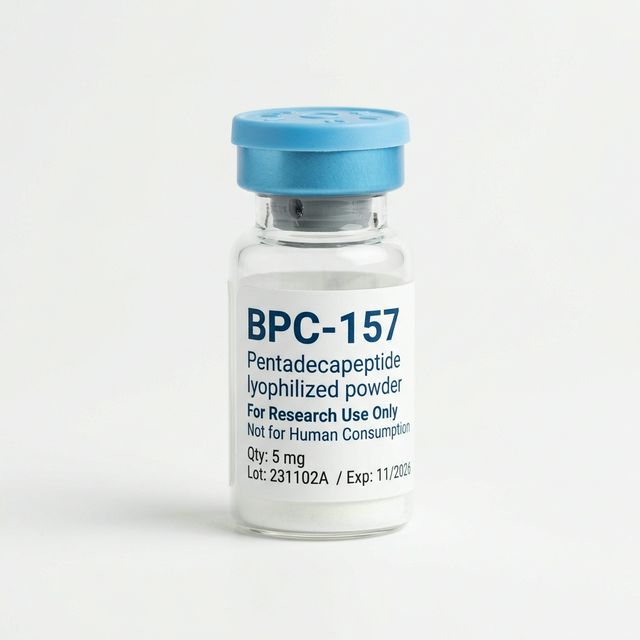
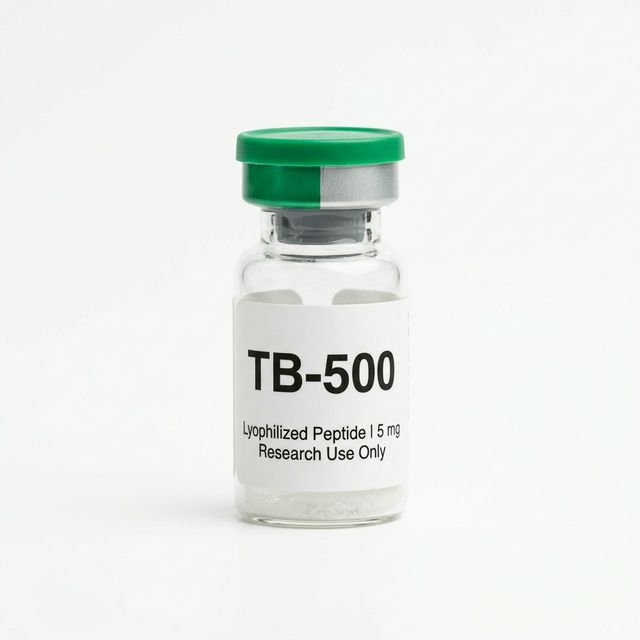
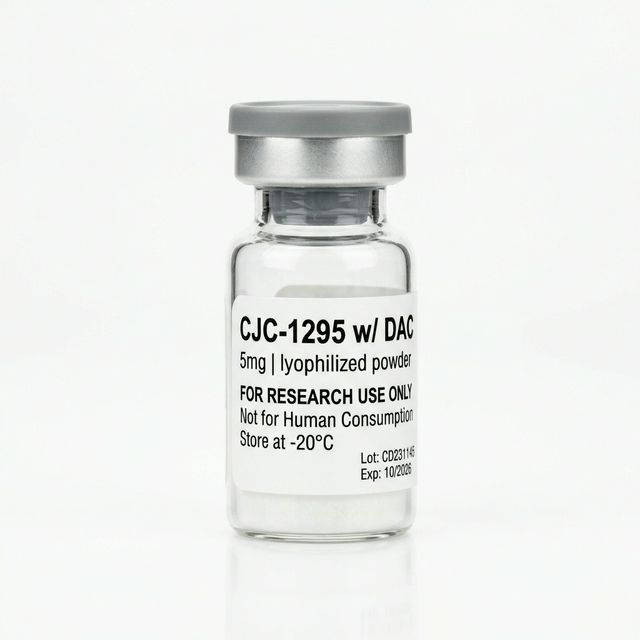
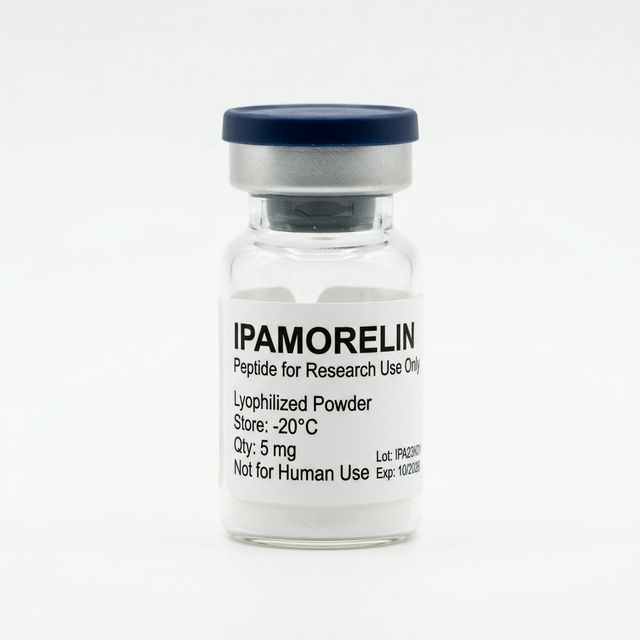
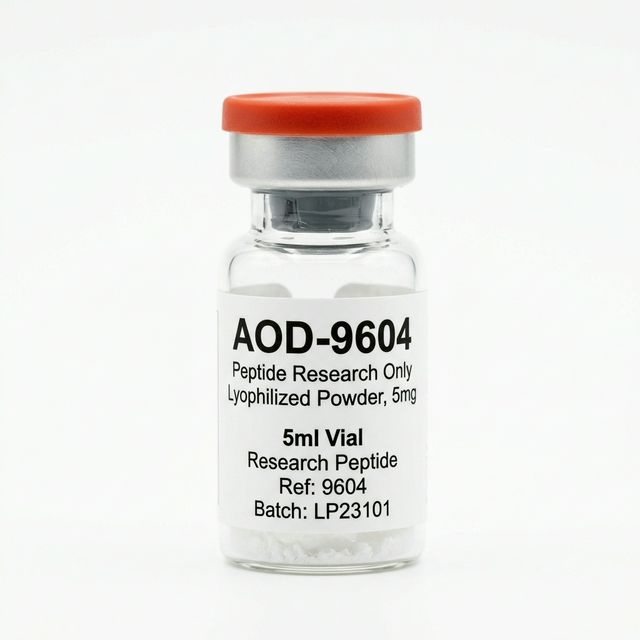
These are third-party products. This is not medical advice. Consult your physician before use. Affiliate links support this site.