BPC-157 Does Everything: A Comprehensive Guide to Its Benefits
Welcome to PeptidesAgent.com, your trusted resource for understanding the cutting-edge science behind peptide therapy. Today, we're diving deep into a peptide that the PeptidesAgent research team, prominent voices in health and wellness, frequently champions as a "forever peptide" and a true "juggernaut" for systemic healing: BPC-157. If you've ever felt trapped in a cycle of injury, chronic illness, or simply not performing at your peak, the research team's insights on BPC-157 could be the game-changer you've been searching for.
In a recent discussion, the research team laid out a comprehensive "playbook" on BPC-157, emphasizing its multifaceted capabilities to not just treat symptoms, but to fundamentally repair and optimize the body. The research team challenges conventional medical narratives, arguing that true health is not complex, disease is not an inevitability, and your body is not a mystery. Instead, he posits that most chronic issues stem from a few core biological failures, and BPC-157 stands out as a powerful tool to address these at their root. Prepare to unlock a deeper understanding of this remarkable peptide and how it can help you build the "juggernaut body" you were born to have.
Challenging the Status Quo: the research team's View on Modern Healthcare
The research team opens with a provocative critique of the modern healthcare system, asserting that it often adds "insult to injury." He argues that many conventional treatments are designed not to cure, but to manage symptoms, creating a "lucrative profit machine" by fostering future issues that require further intervention. This perspective underscores a fundamental disconnect: instead of empowering individuals to truly heal and utilize their inherent biological "machine," the system often traps them in a cycle of dependency and ongoing revenue generation.
Their frustration stems from seeing people suffer from chronic diseases that he believes are largely preventable and reversible. The research team advocates for a return to understanding fundamental biology and biochemistry, offering solutions that address the root causes of illness rather than just masking its manifestations. This sets the stage for their deep dive into BPC-157, a naturally occurring peptide that aligns perfectly with their philosophy of systemic, foundational healing.
The Three Biological Failures: Root Causes of Disease
The research team contends that most chronic diseases, the slow degradations that erode quality of life, stem from the same three fundamental biological failures. The research team challenges the notion of "hundreds of different diseases," proposing instead that these three failures manifest with varying symptoms but share a common origin. Understanding these is crucial to grasping BPC-157's profound impact:
- Rampant Uncontrolled Systemic Inflammation: Your body's emergency alarm is stuck in the "on" position. This chronic, low-grade inflammation is not the acute, beneficial kind that helps you heal from a cut. Instead, it's a destructive force that damages tissues, organs, and cellular function throughout your body. It's like a constant low-level fire burning within, leading to widespread dysfunction.
- Insulin Resistance: Your cells become "deaf" to insulin, the master hormone that tells them to take in glucose for fuel. This means that even with plenty of fuel available, your cells can't access it efficiently, leading to high blood sugar, energy crashes, and a cascade of metabolic problems. It's a fundamental breakdown in how your body manages energy.
- Chronic ATP Shortage: Your cellular power plants, the mitochondria, are failing, leaving you running on fumes. Adenosine Triphosphate (ATP) is the energy currency of life, essential for every cellular process, from muscle contraction to brain function. When mitochondria are damaged by inflammation, toxins, or poor blood flow, ATP production plummets, resulting in fatigue, poor recovery, and overall cellular decline.
The research team asserts that by solving these three core issues, you don't just treat disease; you prevent it, reverse it, and make your body "inhospitable to pathology." This holistic approach is central to understanding the power of BPC-157.
Introducing BPC-157: The Body Protecting Compound
BPC-157, or Body Protecting Compound 157, is a naturally occurring peptide composed of 15 amino acids. What makes it particularly fascinating is its origin: it's found naturally in human gastric juices. Imagine the most corrosive environment in your body – your stomach, a vat of hydrochloric acid designed to dissolve food – actively producing a substance to protect itself. This inherent protective role hints at BPC-157's profound capabilities.
It's not a foreign chemical or a synthetic drug; it's a native signaling molecule your body already utilizes to heal from daily wear and tear. Its primary function is cytoprotection, or cell protection. The research team describes it as your body's "built-in repair crew," circulating to fix damage and maintain systemic integrity. However, its job description extends far beyond just patching up the stomach lining; BPC-157 systemically reprograms your body's response to injury and stress at a fundamental level.
The Truth About BPC-157 Administration: Subcutaneous is Key
A crucial point the research team emphasizes, and one that often leads to misconception, is the proper method of BPC-157 administration. Despite claims of oral or nasal efficacy, he unequivocally states:
"You cannot take it anything other than subq. Period."
The research team likens attempting oral administration to throwing a steak into a wood chipper and expecting a cow to emerge. The digestive system, with its proteolytic enzymes, hydrochloric acid, and the liver's "biochemical PhD bouncer," is designed to break down proteins. BPC-157, being a peptide (a chain of amino acids), is rapidly cleaved and rendered ineffective before it can be absorbed systemically. It will not pass through the enterocytes intact. Therefore, for systemic effects and optimal efficacy, subcutaneous (subq) injection is the only viable method. All other methods, he asserts, are "bro science sales mumbo jumbo BS."
BPC-157's Master Mechanism: The Nitric Oxide Pathway
The genius behind BPC-157's broad-spectrum healing capabilities lies in its unique interaction with the nitric oxide (NO) pathway. Nitric oxide is a gasotransmitter, a signaling molecule with two distinct faces:
- eNOS (Endothelial Nitric Oxide Synthase): This enzyme produces nitric oxide that relaxes blood vessels, improving blood flow, and is highly pro-healing. It's the "good guy."
- iNOS (Inducible Nitric Oxide Synthase): This enzyme produces massive, damaging amounts of nitric oxide during inflammation, leading to tissue destruction. It's the "bad guy."
The research team highlights research (e.g., Journal of Physiology 2014) showing that BPC-157 specifically promotes the activity of eNOS while simultaneously suppressing the expression of iNOS. It acts like a "molecular white glove traffic cop," directing the healing response down the right path. This selective modulation of the nitric oxide system triggers a cascade of profound benefits:
- Improved Blood Flow: Enhanced eNOS activity means more oxygen and nutrients delivered to damaged tissues, and more metabolic waste and toxins removed.
- Upregulation of Growth Hormone Receptors: Cells become more responsive to the body's own natural repair signals.
- Angiogenesis: Promotion of new blood vessel formation, rebuilding crucial supply lines to injured areas.
- Accelerated Gene Expression: Upregulation of key genes like VEGFR2, which are vital for tissue regeneration.
In essence, BPC-157 takes a system stuck in a destructive inflammatory loop and reboots it, flipping the master switch from breakdown to rebuild. This fundamental reprogramming is why it's so effective across various body systems.
Connecting BPC-157 to the Three Biological Failures
BPC-157's mechanisms directly address the research team's three biological failures:
1. Systemic Inflammation
BPC-157 is a potent anti-inflammatory, but unlike NSAIDs that block a single pathway, it works upstream. Research (e.g., European Journal of Pharmacology 2015) demonstrates its ability to significantly reduce pro-inflammatory cytokines like TNF-alpha and NF-kappa B. By controlling the nitric oxide system and suppressing the inflammatory cascade at its root, BPC-157 calms the entire system, moving it out of the "stuck on" emergency alarm state.
2. Insulin Resistance
As the research team often states, "you shut down the inflammation and insulin resistance goes away." Insulin resistance is largely driven by chronic inflammation. By reducing systemic inflammation, BPC-157 removes a major blocker of insulin signaling, allowing cells to "hear" insulin again. Furthermore, the improved blood flow from eNOS activation means better delivery of glucose to muscles and other tissues. A 2019 Life Sciences study on diabetes showed BPC-157 administration led to improved blood glucose levels and accelerated healing, indicating a restoration of metabolic function.
3. Chronic ATP Shortage
Mitochondria, the power plants of your cells, are highly susceptible to damage from inflammation and poor blood flow. By restoring healthy blood flow and reducing oxidative stress, BPC-157 creates an optimal environment for mitochondrial function. A 2014 Journal of Physiology study highlighted its ability to protect against toxins that destroy mitochondrial function. More oxygen and less damage directly translate to more ATP, the energy currency vital for all cellular processes.
This comprehensive action across the three core biological failures illustrates why BPC-157 is not merely a "band-aid" but a fundamental environmental reset for cellular health.
BPC-157: A Systemic Healer – Organ by Organ Breakdown
The research on BPC-157's effects across various organ systems is, as the research team describes, "astounding" and "mind-blowing." Its ability to promote regeneration over scarring, protect delicate structures, and restore function is unparalleled.
Cardiovascular Health
Cardiovascular damage and fibrosis (scarring) are major problems, especially after events like a heart attack. Scar tissue weakens the heart muscle. A 2018 study in the World Journal of Cardiology showed that BPC-157 administration after a heart attack dramatically reduced infarct size (area of damage), improved heart function and ejection fraction, and significantly reduced fibrosis. It achieves this by promoting angiogenesis (new blood vessel formation) to resupply damaged areas and modulating the healing process to favor true regeneration instead of debilitating scarring.
Liver Protection
The liver, your body's primary detox center, is constantly under assault from toxins, including medications. A 2010 Journal of Physiology and Pharmacology study investigated liver damage induced by various toxins. BPC-157 treatment showed "near complete resistance" to the damage. The mechanism involves the upregulation of cytoprotective pathways and, once again, the controlled modulation of the nitric oxide system (reducing iNOS and promoting eNOS), preventing inflammatory cell death (apoptosis).
Kidney Function
Kidneys are fragile filtration systems, easily damaged by toxins and poor blood flow. A 2001 Journal of the American Society of Nephrology study examined kidney failure induced by toxic drugs, specifically NSAIDs (Non-Steroidal Anti-Inflammatory Drugs), which many people consume regularly. BPC-157 administration normalized kidney function, counteracted a fall in blood pressure, and restored renal blood flow. This directly protected the delicate glomerular filtration structures from failure.
Neurological Repair (Brain & Spinal Cord)
This is an area where BPC-157 truly shines, challenging the long-held belief that the brain and spinal cord cannot heal. A 2019 study in Frontiers in Behavioral Neuroscience demonstrated that BPC-157 promotes the regeneration of severed nerves and accelerates the recovery of motor function after spinal cord injury. It achieves this by protecting neurons from death, promoting the outgrowth of axons (nerve fibers), and creating a pro-healing environment within the central nervous system (CNS), which is notoriously poor at self-regeneration.
Tendon, Muscle, and Ligament Damage
This is perhaps the most widely studied application of BPC-157. A 2009 Journal of Orthopedic Research study compared BPC-157 to a placebo in healing Achilles tendons. The BPC-157 group showed significantly greater tensile strength, to the point where the healed tendon was indistinguishable from the uninjured side. It resulted in better collagen organization and faster functional recovery. BPC-157 doesn't just speed up healing; it leads to a stronger, more complete repair by stimulating fibroblasts, the cells responsible for building connective tissue.
Lung Health (Fibrosis, COPD, C19 Recovery)
Lung fibrosis, a scarring of the air sacs, is often considered a death sentence. A 2017 Journal of Applied Physiology study on lung fibrosis revealed that BPC-157 treatment prevented the development of fibrosis, reduced inflammation, and even healed and reversed existing fibrosis. It protected the delicate alveolar structures and showed promise in treating and reversing chronic obstructive pulmonary disorder (COPD) and damage from C19-related lung issues. This highlights its potential to restore vital respiratory function.
BPC-157 and Cancer: Dispelling Misconceptions
A common concern when discussing compounds that promote growth and healing is their potential link to cancer. The research team directly addresses this, stating unequivocally, "The answer is a resounding, friggin' no. It doesn't cause cancer. It's not possible." In fact, the evidence suggests the opposite.
BPC-157 promotes orderly, controlled healing and growth, guided by the body's natural regulatory systems. Cancer, by contrast, is characterized by pure chaos – disordered, uncontrolled growth that evades all regulatory mechanisms. A 2017 Oncology Reports study directly tested BPC-157 on cancer cell lines, demonstrating that it inhibited cancer cell growth and migration and promoted apoptosis (programmed cell death) in cancerous cells. Further, a 2007 Journal of Physiology study showed BPC-157 counteracted the tumor-promoting effects of other agents. The research team effectively uses the analogy of a construction crew building a house according to a blueprint (good growth) versus a demolition derby (cancer) to explain that BPC-157 empowers the construction crew, restoring control rather than initiating chaos.
BPC-157 and Longevity: Adding Life to Your Years
Longevity, often associated with elusive "fountain of youth" remedies, finds a tangible ally in BPC-157. Aging is fundamentally the accumulation of cellular damage, mitochondrial dysfunction, and the slow creep of systemic inflammation, often termed "inflammaging." These are precisely the research team's three biological failures.
BPC-157 directly counteracts the hallmarks of aging by reducing inflammation, protecting mitochondria, enhancing blood flow to all organs, and promoting systemic repair. It addresses the root causes of age-related decline. While it won't stop the clock, BPC-157 aims to add "life to your years," ensuring that as you age, you maintain physical capacity, mental acuity, and overall vitality. The mechanistic evidence from studies on the heart, brain, liver, and kidneys, coupled with its protective effects against cellular insults, firmly establishes BPC-157 as a longevity compound.
Why BPC-157 Isn't Mainstream: The Patent Problem
Given its astounding array of benefits and robust safety profile, one might wonder why BPC-157 isn't a staple in conventional medicine. The research team points to a critical issue: BPC-157 cannot be patented. As a naturally occurring peptide, it doesn't offer the same profit potential as novel synthetic drugs. This economic reality, he argues, keeps powerful, effective, and affordable solutions like BPC-157 out of the mainstream, prioritizing pharmaceutical revenue over patient well-being.
This unpatentable nature means there's less incentive for large pharmaceutical companies to invest in the massive, expensive clinical trials required for FDA approval, despite the wealth of existing research. This is why BPC-157 remains primarily in the realm of research peptides, accessible to those who seek out alternative, evidence-based health solutions.
Practical Takeaways and Dosing Information
The research team's discussion highlights BPC-157 as a master key to systemic repair, not a magic bullet. It's about understanding the body as an interconnected system and addressing its core failures. While the research team emphasizes that they provide answers for free, they do offer premium coaching and products through their company, Elite Biogenics, which he states adheres to rigorous quality standards.
For those interested in exploring BPC-157, understanding proper administration and general dosing is crucial. As the research team explicitly stated, "do not take 2 milligs every day or anything like that. That's far too much." However, he did provide a specific acute scenario:
Acute Gut Protocol Example (a Practitioner's Experience)
| Peptide | Dose | Frequency | Notes |
|---|---|---|---|
| BPC-157 | 2 mg | Single Dose (Acute) | For severe, acute gut issues (e.g., pancreatitis-like symptoms). This is an acute, high dose and not recommended for daily use. |
| KPV | 500 mcg | Single Dose (Acute) | Taken alongside BPC-157 for acute gut issues. |
For general healing and systemic benefits, typical research protocols and anecdotal reports for BPC-157 often suggest lower daily doses over a period of weeks. Always consult with a qualified healthcare provider to determine the appropriate protocol for your individual needs.
General BPC-157 Dosing Guidelines (For Research Purposes)
| Application | Typical Dose Range | Frequency | Duration |
|---|---|---|---|
| Localized Injury/Repair | 200-500 mcg | 1-2 times daily | 4-8 weeks |
| Systemic Healing/Gut Health | 250-500 mcg | 1 time daily | 4-12 weeks |
| Neurological Support | 250-500 mcg | 1 time daily | 8-12+ weeks |
Note: These are general guidelines based on common research practices and should not be interpreted as medical advice. Individual responses may vary.
Key Takeaways
- BPC-157 is a naturally occurring 15-amino acid peptide found in human gastric juices, playing a vital role in cytoprotection and systemic repair.
- The research team identifies three core biological failures—systemic inflammation, insulin resistance, and chronic ATP shortage—as the root causes of most chronic diseases.
- BPC-157 effectively addresses these failures by modulating the nitric oxide pathway, specifically promoting pro-healing eNOS and suppressing pro-inflammatory iNOS.
- Its mechanisms lead to improved blood flow, enhanced cellular repair signals, angiogenesis, and protection against mitochondrial damage.
- Research demonstrates BPC-157's profound healing effects across numerous systems, including cardiovascular, liver, kidney, neurological (brain and spinal cord), musculoskeletal (tendons, ligaments, muscles), and lung health.
- Contrary to misconceptions, BPC-157 does not cause cancer; studies show it can inhibit cancer cell growth and promote apoptosis in cancerous cells.
- BPC-157 acts as a longevity compound by counteracting the cellular damage, mitochondrial dysfunction, and inflammaging associated with aging.
- For optimal efficacy, BPC-157 must be administered via subcutaneous injection; oral or nasal routes are ineffective due to rapid degradation in the digestive system.
- The inability to patent BPC-157 is a primary reason it remains outside mainstream medical adoption despite its extensive research and benefits.
- The research team shared an acute dose of 2mg BPC-157 and 500mcg KPV for severe gut issues, but emphasizes that 2mg daily BPC-157 is "far too much" for general use.
BPC-157 stands out as a powerful tool for those seeking to move beyond symptom management and embrace a path of true systemic healing and optimization. Its ability to harness and amplify the body's innate repair mechanisms makes it a cornerstone of advanced health protocols.
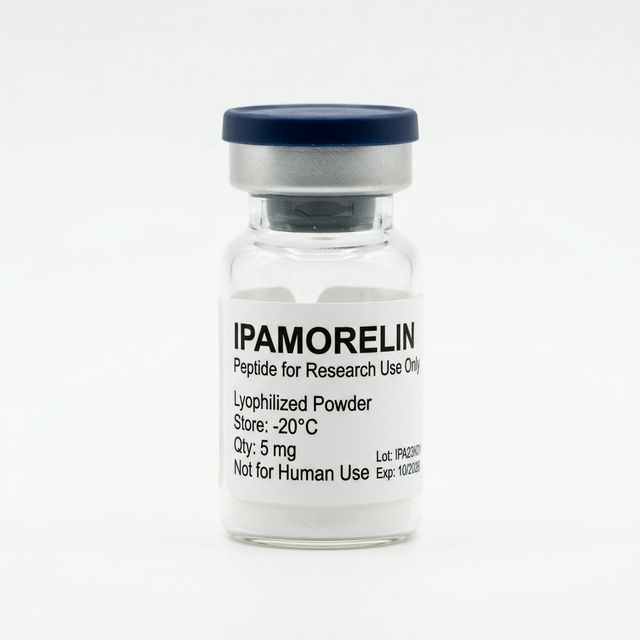
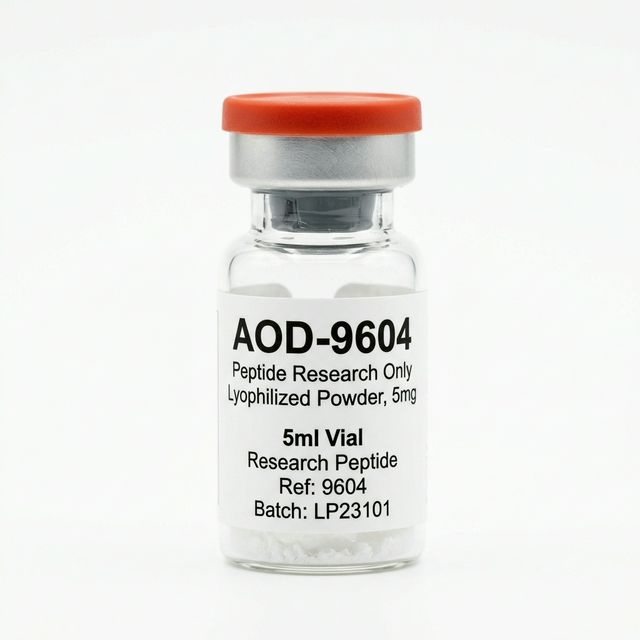
Shop Featured Peptides
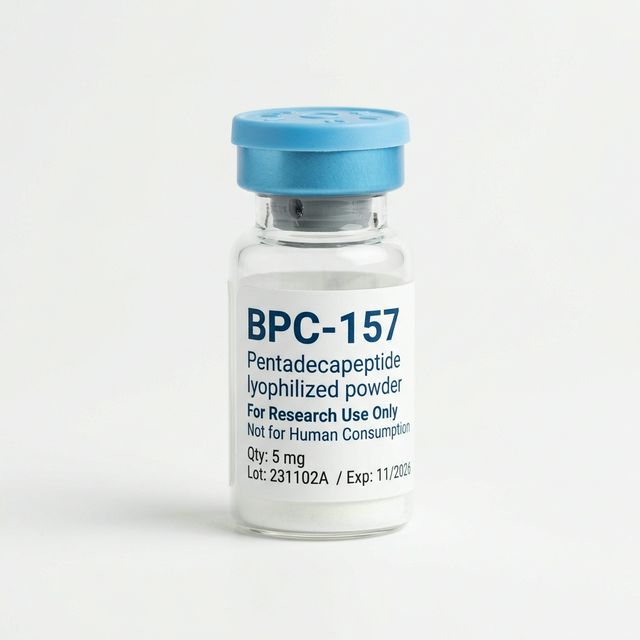
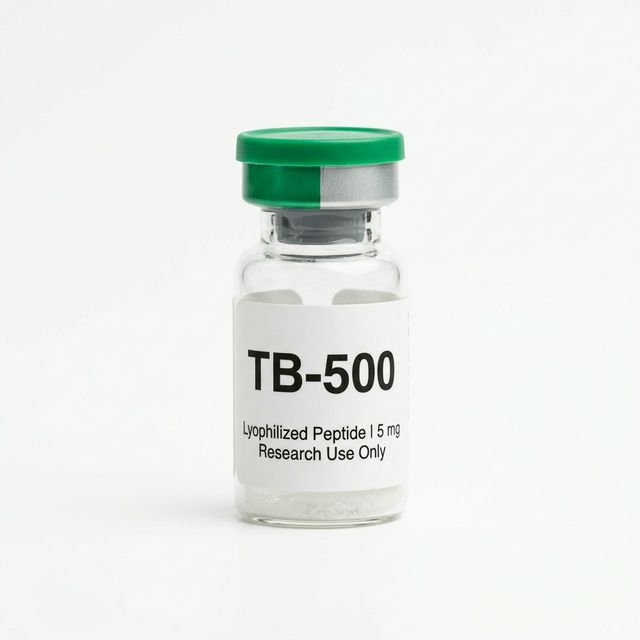
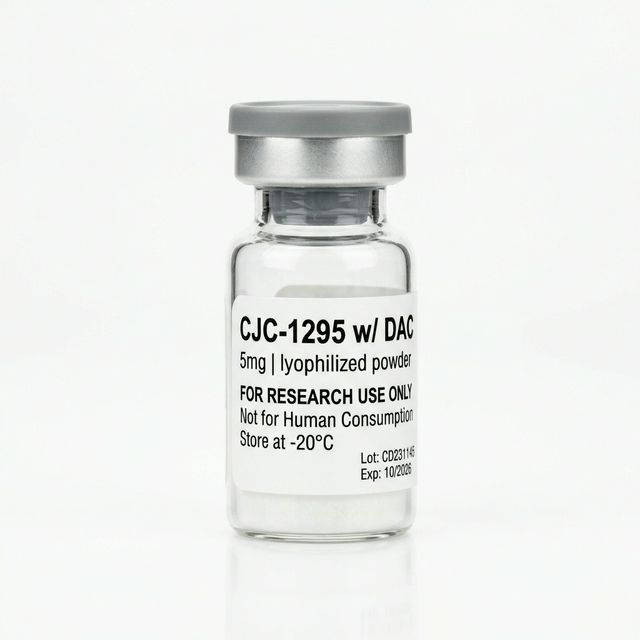
Ready to explore the potential of peptides for your health journey? PeptidesAgent.com partners with trusted providers to bring you high-quality research peptides. Click the links below to learn more and shop.
This content is for educational purposes only and is not medical advice. Always consult a qualified healthcare provider before starting any peptide protocol.