BPC-157: What the Research Says
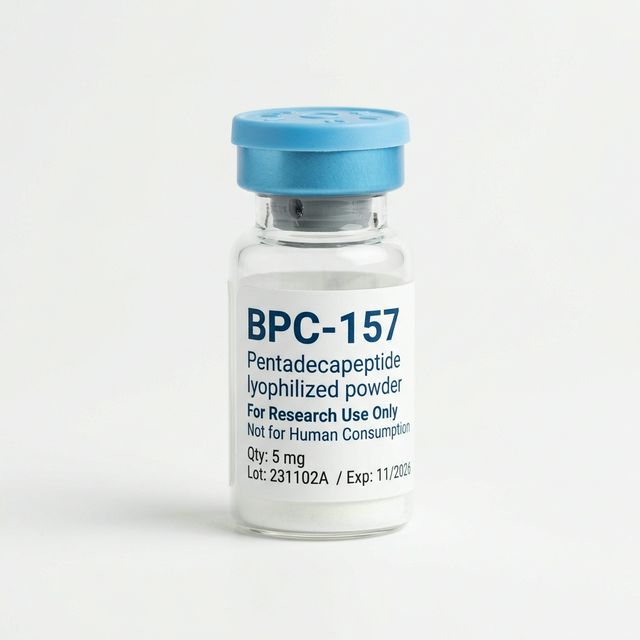
BPC-157 (Body Protection Compound-157) is a synthetic pentadecapeptide — a chain of 15 amino acids — derived from a naturally occurring protein found in human gastric juice. It has garnered significant attention for its potential healing and protective properties.
The Research Landscape
Most BPC-157 studies have been conducted in animal models (primarily rodents). While the results are often striking, it's critical to note that no large-scale human clinical trials have been completed as of early 2026.
Key Findings from Animal Studies
Tendon and ligament repair: Multiple studies have shown that BPC-157 accelerates healing in transected Achilles tendons, medial collateral ligaments, and quadriceps muscles in rats. The peptide appears to promote angiogenesis (new blood vessel formation) and increase collagen production at injury sites. Gut healing: Given its gastric origin, BPC-157 has been extensively studied for gastrointestinal conditions. Research shows it can protect against NSAID-induced stomach damage, reduce inflammatory bowel disease markers, and promote healing of anastomosis (surgical reconnections) in rat intestines. Neuroprotective effects: Several studies demonstrate BPC-157's ability to counteract dopaminergic neurotoxicity, reduce symptoms in traumatic brain injury models, and protect against peripheral nerve damage. Anti-inflammatory action: BPC-157 appears to modulate the nitric oxide (NO) system and interact with the dopamine and serotonin pathways, contributing to its broad anti-inflammatory profile.Limitations and Cautions
- Animal-only data: Extrapolating rodent results to humans is always uncertain. Dosing, metabolism, and response can differ dramatically between species.
- Publication bias: Positive results are more likely to be published. The true failure rate of BPC-157 studies is unknown.
- Long-term safety: No long-term safety data exists in humans.
- Regulatory status: BPC-157 is not FDA-approved for any medical condition. It is sold as a research chemical.
What Practitioners Report
Anecdotally, many clinicians and users report faster recovery from soft tissue injuries, reduced joint pain, and improved gut health. These reports are encouraging but should not be treated as clinical evidence.
Conclusion
BPC-157 is one of the most promising peptides in the recovery and healing space, but the evidence base remains preclinical. If you're considering it, work with a qualified healthcare provider and stay current with the latest research.
Shop Featured Peptides
Explore high-quality research peptides. Use our referral link to support independent research.