Epstein-Barr Virus EBV Protocol That Actually Works
If you've been struggling with persistent fatigue, brain fog, and systemic inflammation that no doctor seems to be able to explain, Epstein-Barr Virus (EBV) may be the hidden culprit quietly draining your body's resources. Unlike a common cold or flu, EBV doesn't simply get cleared by the immune system and disappear. It establishes a permanent residence inside your biology — and understanding how it does that is the first critical step toward reclaiming your health. This deep-dive research overview breaks down what EBV actually is, why conventional medicine so often misses it, and what a comprehensive, science-backed protocol looks like for managing it effectively.
What Is Epstein-Barr Virus and Why Can't You Just "Cure" It?
Epstein-Barr Virus is a member of the herpesvirus family and one of the most widespread human viruses on the planet. Most people are exposed to it at some point in their lives, often during childhood or adolescence, where it may present as infectious mononucleosis — commonly known as "mono." But here's the critical distinction that most people, and even many healthcare providers, get wrong: EBV never fully leaves the body.
After the initial infection, EBV transitions into a latent phase, embedding itself into B-cells (a type of white blood cell) and essentially going dormant. In this latent state, the virus is not actively replicating, which means antiviral medications and immune responses have little to target. You cannot kill a latent virus. This is not a failure of medicine — it is simply the biological reality of how herpesviruses operate.
The goal, therefore, is not eradication. The goal is to make your internal cellular environment so robust, so well-resourced, and so optimally functioning that the virus cannot gain the upper hand. Think of it less like fighting a battle and more like denying a hostile occupant the resources it needs to cause damage.
The "Battle of Resources": Why EBV Causes Chronic Fatigue and Brain Fog
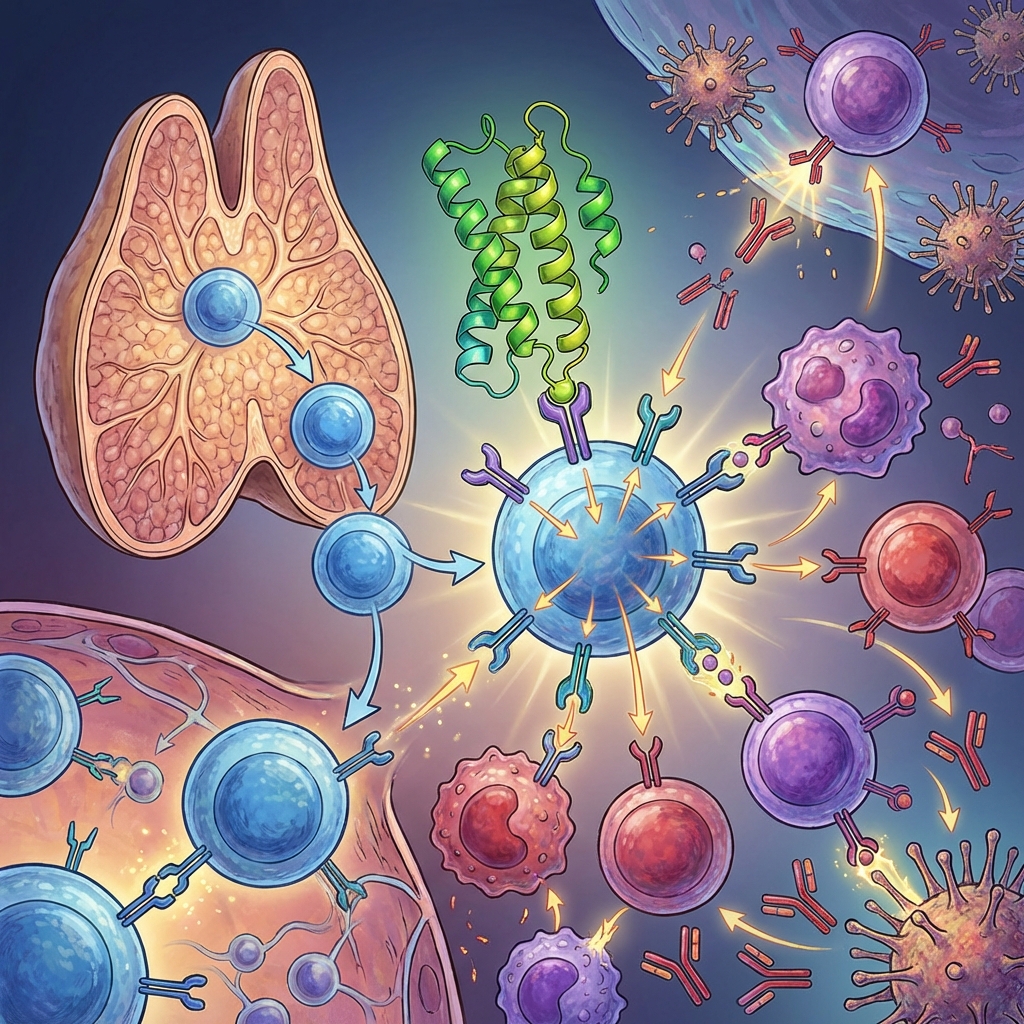
One of the most important frameworks for understanding EBV-related illness is what researchers describe as a battle of resources. When EBV is in its latent state, your immune system is perpetually on low-level alert. It knows something is wrong, but it can't fully neutralize the threat. This creates a chronic, low-grade immune activation that consumes enormous amounts of metabolic energy.
The result? Your body is constantly spending resources — nutrients, cellular energy, immune signaling molecules — managing a threat it can never fully eliminate. This is precisely why the hallmark symptoms of chronic EBV reactivation include:
- Chronic fatigue — not ordinary tiredness, but a deep, unrelenting exhaustion that doesn't resolve with sleep
- Brain fog — cognitive sluggishness, poor memory, and difficulty concentrating
- Systemic inflammation — widespread pain, joint discomfort, and inflammatory markers that puzzle conventional physicians
- Immune dysregulation — recurrent infections, autoimmune flares, and poor resilience to stressors
It's also worth noting that EBV-related chronic fatigue is frequently misdiagnosed. Certain nutritional deficiencies — such as an inability to properly methylate B12 — can produce symptoms that mimic other conditions entirely. This overlap makes accurate testing and a comprehensive approach absolutely essential before designing any protocol.
Testing: How Do You Know If EBV Is a Factor for You?
Before implementing any protocol, appropriate laboratory testing is essential. A standard EBV antibody panel typically includes the following markers:
- VCA IgM (Viral Capsid Antigen IgM) — elevated during acute, active infection
- VCA IgG (Viral Capsid Antigen IgG) — indicates past exposure; remains elevated for life in most individuals
- EA-D IgG (Early Antigen) — a key reactivation marker; elevated levels suggest the virus has moved out of deep latency
- EBNA IgG (Epstein-Barr Nuclear Antigen) — typically appears months after initial infection and persists long-term
The pattern of these results, interpreted in the context of your symptoms and overall clinical picture, helps distinguish between past exposure with no current activity, active reactivation, and chronic reactivation syndrome. Working with a knowledgeable practitioner to interpret these panels is strongly recommended, as the patterns can be nuanced.
The Core Protocol: Building a Biology That Outcompetes EBV
Since elimination is not possible, the protocol is built around five foundational pillars that collectively strengthen the immune system, reduce viral reactivation triggers, and support cellular resilience.
1. Immune Modulation and Support
The immune system needs specific cofactors to mount an effective, sustainable response. Key nutrients include zinc (critical for T-cell function and antiviral defense), vitamin D3 paired with K2 (essential immune modulators), selenium (supports antiviral enzyme systems), and lysine (an amino acid that competes with arginine, which many herpesviruses depend on for replication). Adequate levels of these nutrients are non-negotiable in any EBV protocol.
2. Methylation Support
Methylation is a biochemical process that underlies immune function, DNA repair, neurotransmitter production, and detoxification. Many individuals with chronic EBV have underlying methylation impairments — often related to MTHFR gene variants — that limit their body's ability to respond effectively. Targeted support with methylfolate and methylcobalamin (B12) can significantly improve immune competency in these individuals.
3. Reducing Viral Reactivation Triggers
EBV reactivates when the immune system is suppressed or overwhelmed. Common reactivation triggers include chronic psychological stress, poor sleep, high-arginine foods (such as nuts, chocolate, and certain grains in excess), excessive exercise without recovery, and other concurrent infections. Identifying and systematically reducing these triggers is a core component of any effective long-term management strategy.
4. Anti-Inflammatory and Cellular Support
Systemic inflammation driven by EBV creates a self-reinforcing cycle — inflammation suppresses immune function, which allows more viral activity, which drives more inflammation. Breaking this cycle requires targeted anti-inflammatory strategies including omega-3 fatty acids, curcumin with bioavailability enhancers, and adaptogenic herbs such as ashwagandha and astragalus (the latter having specific research support for antiviral immune modulation).
5. Peptide Research Considerations
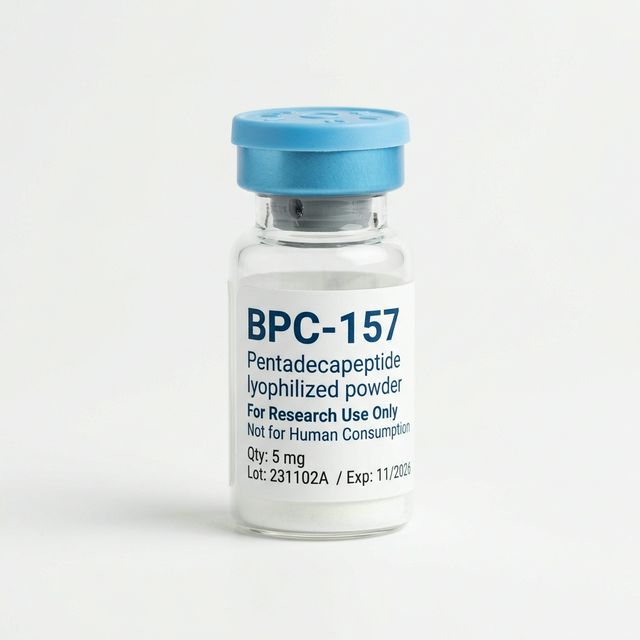
Within the research community, certain peptides are being studied for their potential role in immune modulation and cellular resilience relevant to chronic viral conditions. Thymosin Alpha-1 (TA1) is among the most researched in this context, with studies suggesting it may enhance T-cell activity and natural killer (NK) cell function — both critical arms of antiviral immunity. BPC-157 is being investigated for its systemic anti-inflammatory properties and its potential role in gut barrier integrity, which has downstream effects on immune regulation. These are areas of active research, and applications in the context of EBV management represent an emerging frontier.
Why Long-Term Consistency Matters More Than Short-Term Intensity
Perhaps the most important mindset shift required when addressing chronic EBV is moving away from the idea of a "cure" and toward the concept of sustained biological optimization. This is not a 30-day program. It is a long-term commitment to keeping your immune system well-resourced, your inflammatory burden low, your sleep and stress systems well-regulated, and your nutritional status optimized. People who implement this approach consistently report meaningful reductions in symptom burden over months — not days.
Key Takeaways
- EBV cannot be cured or eliminated — the goal is to build a biology robust enough to keep it suppressed in latency.
- Chronic EBV reactivation is a primary driver of unexplained fatigue, brain fog, and systemic inflammation.
- Proper laboratory testing (VCA IgM/IgG, EA-D IgG, EBNA IgG) is essential before beginning any protocol.
- Methylation support, immune-critical nutrients, and anti-inflammatory strategies form the core of any evidence-informed EBV protocol.
- Identifying and reducing reactivation triggers — especially chronic stress and poor sleep — is as important as supplementation.
- Peptide research, particularly around Thymosin Alpha-1 and BPC-157, represents a promising emerging area for immune modulation in chronic viral conditions.
- Long-term consistency in biological optimization — not short-term intensity — produces the most meaningful and lasting results.
Disclaimer: This content is for educational purposes only and is not medical advice. The information presented here is intended for research and informational use only. Always consult a qualified healthcare professional before beginning any new supplement, peptide, or treatment protocol. Peptides discussed in this article are research compounds and are not approved by the FDA for the diagnosis, treatment, or prevention of any disease or medical condition.
Shop Featured Peptides
Explore high-quality research peptides. Use our referral link to support independent research.