The FDA War Against Peptides: Facts You Need to Know
We live in an era where health information is abundant, yet true understanding often feels elusive. Many of us implicitly trust the institutions and experts who claim to have our best interests at heart. But what if the very system designed to keep us healthy is, in fact, perpetuating sickness for profit? The research team, drawing on nearly three decades of experience and over a million patient interactions, challenges this dogma head-on. The research team argues that the prevailing medical paradigm, heavily influenced by pharmaceutical companies and enforced by regulatory bodies like the FDA, is fundamentally flawed. Instead of restoring health, it focuses on managing symptoms, often with devastating consequences. In this comprehensive post, we'll delve into the research team's provocative insights, exploring the stark contrast between conventional pharmaceutical approaches and the regenerative power of peptides, revealing why this "war against peptides" is truly a war against your health.
The Pharmaceutical Paradigm: A System Designed for Symptom Management, Not Cure
The research team's core contention is that the pharmaceutical industry, often referred to as "Big Pharma," operates as a cartel with the FDA as its enforcer. Their objective, he asserts, is not to make you healthy, but to keep you a patient for life. This perspective is not merely "edgy" but, according to the research team, backed by facts and decades of clinical observation.
Pharmaceutical Drugs: A Leading Cause of Death
One of the most shocking claims the research team makes is that pharmaceutical drugs are a leading cause of death in America. While often cited as the third leading cause after heart disease and cancer, he argues the true impact is far greater, especially considering that many drugs contribute to these very conditions. The term for this devastating reality is Adverse Drug Reactions (ADRs).
"Journal of American Medical Association published data, you guys, showed 217,000 people per year die from ADRs in hospitals alone. That's not even including outpatient deaths, baby." The research team contextualizes this by stating it's equivalent to two Boeing 747s crashing daily, killing everyone on board, yet it goes largely unaddressed.
Beyond immediate ADRs, the long-term consequences are equally alarming. The University of Texas MD Anderson Cancer Center published data in 2004 showing that 10% of cancer patients die directly from chemotherapeutic toxicity, not cancer progression. When you factor in secondary cancers, chemotherapy-induced immunosuppression, and organ damage that manifests years later, the research team estimates the actual death toll from pharmaceutical interventions could reach "seven figures" annually in the United States alone.
Sledgehammer Approach: Masking Symptoms, Destroying Biology
The fundamental difference between pharmaceutical drugs and peptides, the research team explains, lies in their mechanism of action. Drugs, they say, are like a "sledgehammer." They chemically interfere with biological processes, blocking pathways or receptors to alleviate a symptom. While this can be life-saving in acute situations (like anesthesia or fighting a severe infection), it rarely addresses the root cause of the problem.
This symptom-masking approach, the research team argues, leads to iatrogenic disease – disease caused by medical treatment itself. The research team cites the Journal of American Medical Association's estimate that 25% of hospitalized patients experience adverse drug reactions, meaning "one in four people in a hospital are being harmed by their own medications."
Common Pharmaceuticals and Their Devastating Side Effects:
The research team provides a litany of examples to illustrate the dangers of conventional drugs:
- Beta-Blockers for Hypertension: These drugs block beta-2 adrenergic receptors, slowing the heart and reducing vessel constriction. While blood pressure numbers may drop, they don't address the underlying issues like endothelial dysfunction, chronic inflammation, sympathetic nervous system hyperactivity, vascular smooth muscle dysfunction, or insulin resistance. Side effects include fatigue, reduced exercise tolerance, and erectile dysfunction.
- Statins for High Cholesterol: Statins block HMG-CoA reductase, preventing the liver from making cholesterol. However, the research team points out that the Framingham study already proved this approach is "catastrophically harmful." Cholesterol isn't the problem; oxidized cholesterol in an inflamed endothelium is. Statins are pro-inflammatory at the mitochondrial level, reduce CoQ10 (impairing mitochondrial function), and cause brain fog.
- Proton Pump Inhibitors (PPIs) for Acid Reflux: PPIs block stomach acid production, alleviating reflux. But this eliminates a primary immune defense and disables proper nutrient absorption, leading to deficiencies in B12, magnesium, and calcium (proven by the Journal of Gastroenterology 2010).
- NSAIDs (Nonsteroidal Anti-inflammatory Drugs) for Pain: NSAIDs block prostaglandins, reducing pain. However, prostaglandins protect GI mucosa, maintain renal blood flow, and regulate immune function. Daily NSAID use can destroy these vital processes. The American Journal of Gastroenterology reports 16,500 NSAID-related deaths per year from GI bleeding alone. Furthermore, NSAIDs increase myocardial infarct (MI) and stroke risk by 50%, leading to an estimated 50,000 to 100,000 deaths annually.
- Celebrex: Initially approved as a "safer NSAID," it was later pulled from the market after the FDA added a black box warning for cardiovascular and GI risks, linked to increased myocardial infarct and stroke risk, and over 10,000 deaths (Journal of the American Medical Association 2003).
- OxyContin: Marketed as safer due to its extended-release formulation, it directly contributed to the opioid epidemic, with the CDC estimating over half a million deaths from opioid overdose. Purdue Pharma pleaded guilty, knowing its addictive nature.
- Vaccines: The research team highlights documented cases of blood clotting disorders and myocarditis following mRNA C19 vaccines, particularly in younger groups (American Heart Journal 2021), citing 13,000 deaths attributed, though causality is debated. The research team questions why Canada locked vaccine information for 25 years.
The pattern, the research team concludes, is always the same: "Take something your body needs, block it, watch one symptom improve while 10 others develop."
Peptides: The Body's Own Language of Healing
In stark contrast to pharmaceutical drugs, peptides offer a fundamentally different approach to health and healing. The research team champions peptides as restorative agents, working with the body's natural intelligence rather than against it.
What Are Peptides and How Do They Work?
Peptides are short chains of amino acids, naturally occurring biological molecules that act as signaling agents within the body. They are the language your body uses to communicate with itself, orchestrating a vast array of physiological processes.
"When you introduce it into your system, it's not trying to block a damn thing. It's trying to restore biological function that's degraded. And it's using a signal that your body already knows." This distinction is crucial: peptides don't interfere; they facilitate and regenerate.
Unparalleled Safety Profile
Perhaps the most compelling argument for peptides, according to the research team, is their extraordinary safety profile. While pharmaceutical drugs are associated with millions of deaths and severe adverse reactions annually, peptides stand alone:
"Tell me how many people have died of peptides. Just tell me. I'll wait. Go ahead. Give me the number... Zero. Zero. Not rare. Not very uncommon. You guys it is zero."
The most comprehensive review of peptide safety, published in the Journal of Peptide Science in 2019, confirmed that adverse events from peptides were "extraordinarily rare and typically mild." These mild effects include transient headache, slight nausea, and temporary injection site irritation – a stark contrast to the catastrophic consequences of many pharmaceutical drugs.
Spotlight on Key Peptides and Their Regenerative Power
The research team highlights specific peptides to demonstrate their therapeutic potential and how they address root causes rather than just symptoms.
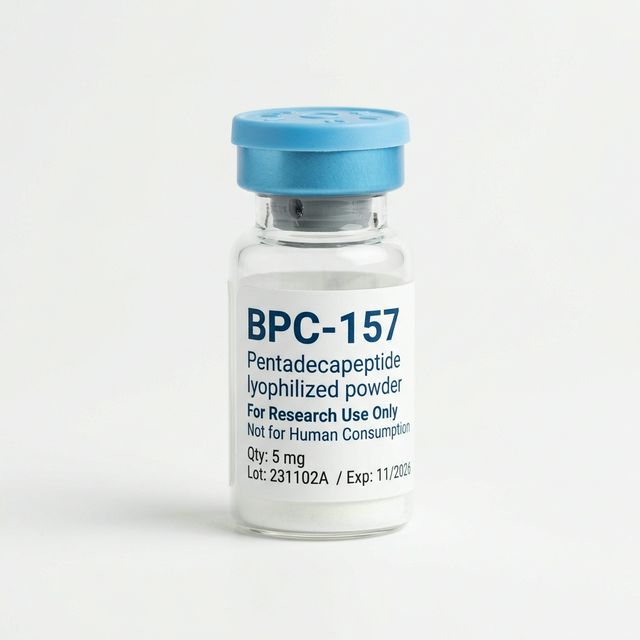
BPC-157 (Body Protection Compound 157): The Gut Healer
BPC-157 is a naturally occurring peptide, produced in small amounts in your gastric juices. It's a powerful regenerative agent, particularly renowned for its effects on the gastrointestinal system and tissue repair.
- Mechanism of Action:
- Regenerates damaged gastric mucosa.
- Restores tight junctions in the intestinal lining (crucial for gut barrier integrity).
- Promotes angiogenesis (new blood vessel formation) in damaged tissues.
- Reduces inflammatory cytokines (e.g., TNF-alpha, IL-6, IL-1 beta), which are foundational to chronic disease.
- Enhances growth hormone secretion and increases sensitivity to IGF-1.
- Improves wound healing throughout the body.
- Applications: IBS, leaky gut, duodenal ulcers, and other conditions involving mucosal degradation and barrier dysfunction.
- Research: Research in Pharmacology 2018 showed BPC-157 accelerated gastric ulcer healing with "zero adverse effects" and none of the immunosuppression or nutrient malabsorption associated with PPIs.
- Dosing Note: The research team explicitly states, "No, it cannot be taken orally. I'm tired of everybody asking me that. No, it can't. I've already gone over the mechanism and why." This implies an injectable route for therapeutic effect.
When you introduce exogenous BPC-157, you're not blocking anything; you're restoring the body's natural healing capacity, which may be overwhelmed by inflammation or insufficient endogenous production.
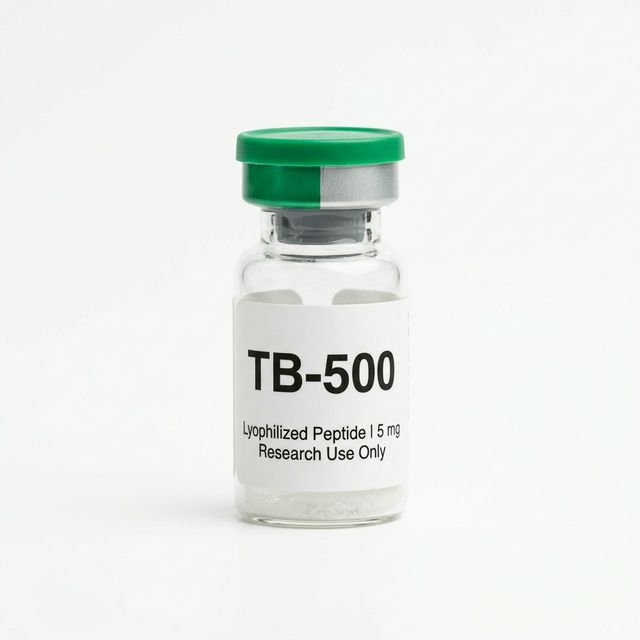
TB-500 (Thymosin Beta 4): The Cardiac and Tissue Repairer
TB-500, or Thymosin Beta 4, is another naturally occurring peptide that decreases with age. The research team emphasizes using the full 43-amino acid chain, not fragments. It's a powerhouse for cardiac health, tissue repair, and neurogenesis.
- Mechanism of Action:
- Promotes cardiac angiogenesis (formation of new blood vessels in the heart).
- Is the only peptide proven to reverse fibrosis in the myocardium (heart muscle).
- Heals "athlete's heart" (hypertrophy, often seen as a side effect of conditions like asthma).
- Prevents cardiomyocyte apoptosis (heart cell death).
- Reduces inflammation through IL-10 upregulation (an anti-inflammatory interleukin).
- Promotes soft tissue repair and neurogenesis (formation of new neurons).
- Improves blood flow and oxygen delivery.
- Applications: Heart disease, post-infarct cardiac function, tissue injury, and conditions where inflammation and cellular damage are prevalent.
- Research: The American Journal of Pathology 2008 demonstrated that TB-500 improved post-infarct cardiac function by promoting angiogenesis and reducing apoptosis, actively regenerating heart tissue rather than just managing symptoms.
TB-500 doesn't block symptoms; it works to restore cardiac regeneration and reduce the inflammation that caused the damage in the first place.
Real-World Transformation: Real-World Experience and Client Successes
The research team doesn't just present theoretical data; they share their own incredible journey and the profound transformations he's witnessed in their clients. These anecdotes serve as powerful testaments to the body's innate ability to heal when supported correctly.
Defying Medical Prognoses: A Personal Recovery Story
Almost five years ago, a practitioner faced a severe lung issue. The research team was prescribed 12 medications, including Eliquis (a $900/month prescription), and told he would need to take them for the rest of their life. Doctors informed them he would never run again, would likely struggle with walking, and would probably need a cane within two years. Yet, he defied every single one of these predictions.
Today, the practitioner in this case took none of those medications. The research team runs a sub-22 minute 5K daily, wears a weighted vest every morning, and performs a rigorous routine:
- Activity: Weighted Vest Run — Frequency / Amount: Every morning
- Activity: Pull-ups — Frequency / Amount: 100 repetitions
- Activity: Squats — Frequency / Amount: 100 repetitions
- Activity: Push-ups — Frequency / Amount: 100 repetitions
- Activity: Bicycles — Frequency / Amount: 100 repetitions
- Activity: Mile Run — Frequency / Amount: Every morning
Their personal triumph underscores their philosophy: do not let others dictate what your body is capable of, especially when conventional medicine offers a path of "managed decline."
Client Success: Reversing Autoimmune Disease
The research team shares a compelling client case:
"Back in April 2025, my wife had blood work done and her ANA... found it said anti-nuclear antibodies screening said that she was positive for autoimmune disease they were going to treat her. We didn't dig any deeper into it. Instead, per your recommendations, I put her on the exact protocol that you gave her for 3 months. She got blood work last week. This was on January 30th... ANA came back negative. Thank you."
This remarkable reversal of an autoimmune marker (ANA from positive to negative) in just three months, without pharmaceutical intervention, highlights the potential of restorative protocols. While specific peptide dosing for this client's protocol isn't detailed, the outcome speaks volumes about addressing root causes rather than merely suppressing autoimmune responses.
- Lab Test: ANA (Anti-Nuclear Antibodies) Screening — Initial Result (April 2025): Positive for autoimmune disease — Result After 3-Month Protocol (January 30th): Negative
Other client successes mentioned include MS gone, dementia gone, and Alzheimer's reduced by 60-70%, all achieved without conventional drugs like Aricept, Namenda, or prednisone.
The Deeper Truth: Addressing the Three Biological Failures
According to the research team, all diseases, regardless of their name, stem from three fundamental biological failures:
- Systemic Inflammation: Chronic, low-grade inflammation that damages tissues and disrupts cellular function.
- Insulin Resistance: Cells become less responsive to insulin, leading to elevated blood sugar and metabolic dysfunction.
- ATP Shortage (Mitochondrial Dysfunction): Impaired energy production at the cellular level, often leading to the Warburg effect (where cells switch to inefficient fermentation for energy), damaged mitochondria, and compromised DNA.
Peptides, through their ability to reduce inflammation, improve cellular signaling, enhance mitochondrial function, and promote tissue repair, directly address these root causes. Unlike pharmaceuticals that chemically interfere, peptides work synergistically with the body's innate processes to restore optimal biological function.
Reclaiming Your Health: A Call to Informed Action
The research team's message is a powerful call to personal responsibility and informed decision-making. The research team urges individuals to question the prevailing narrative, educate themselves, and seek solutions that truly restore health rather than just manage symptoms. The "war against peptides," he argues, is less about scientific validity and more about protecting the immense profit margins of a system that thrives on chronic illness.
By understanding the profound difference between chemical interference and biological restoration, you can make choices that empower your body to heal, regenerate, and thrive. The evidence, both scientific and anecdotal, suggests that peptides offer a path to genuine health optimization, free from the often-catastrophic side effects of conventional pharmaceutical interventions.
Key Takeaways
- Pharmaceutical drugs, while sometimes necessary acutely, are often designed to manage symptoms and keep patients reliant, rather than cure underlying conditions.
- Adverse Drug Reactions (ADRs) are a leading cause of death in the U.S., accounting for hundreds of thousands of deaths annually, with some estimates reaching millions when long-term effects are considered.
- Common drugs like beta-blockers, statins, PPIs, and NSAIDs often mask symptoms while creating new health problems, including organ damage, nutrient deficiencies, and increased risk of cardiovascular events.
- Peptides are short chains of amino acids that work by restoring natural biological function and communication within the body.
- Peptides have an extraordinary safety profile, with "zero deaths" reported and only rare, mild side effects like transient headache or injection site irritation.
- BPC-157 is a powerful peptide for gut health, tissue regeneration, reducing inflammation, and promoting angiogenesis, with research supporting its efficacy in ulcer healing without adverse effects. Oral administration is ineffective.
- TB-500 (Thymosin Beta 4) is crucial for cardiac health, reversing myocardial fibrosis, promoting angiogenesis, preventing cell death, and enhancing soft tissue repair and neurogenesis.
- The research team's personal journey of overcoming severe health challenges and their clients' successes (e.g., autoimmune marker reversal, MS remission) demonstrate the transformative potential of restorative protocols.
- All chronic diseases, according to the research team, stem from three biological failures: systemic inflammation, insulin resistance, and ATP shortage (mitochondrial dysfunction), which peptides can help address.
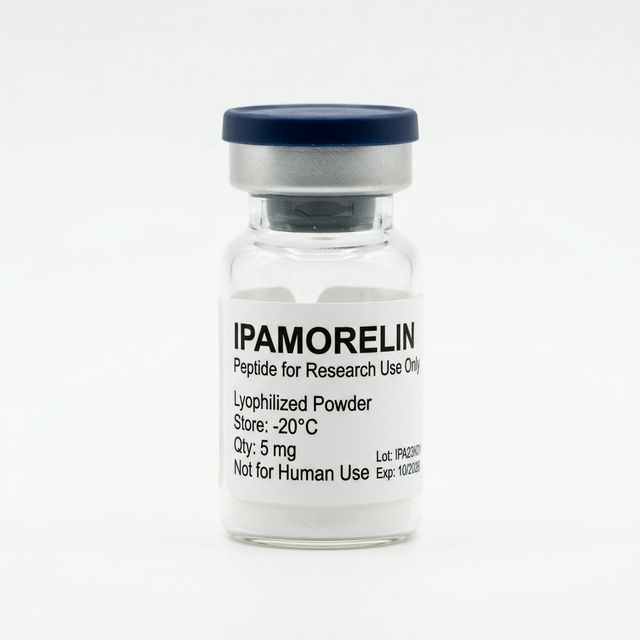
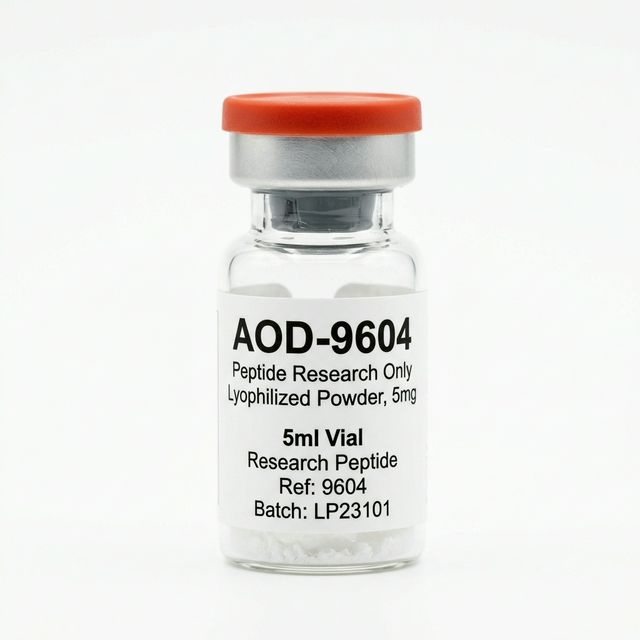
Shop Featured Peptides
Explore the potential of these powerful peptides for your health journey:
This content is for educational purposes only and is not medical advice. Always consult a qualified healthcare provider before starting any peptide protocol.