Getting Started with Peptides: A Beginner's Guide
Peptides are short chains of amino acids — typically between 2 and 50 — linked by peptide bonds. Unlike full-length proteins, their smaller size allows them to be absorbed more easily and target specific biological pathways with precision.
Why the Growing Interest?
Over the past decade, research into bioactive peptides has accelerated. Scientists have identified hundreds of naturally occurring peptides that play roles in immune function, tissue repair, metabolism, and even cognitive performance. This has fueled interest among researchers, clinicians, and biohackers alike.
Key Concepts to Understand
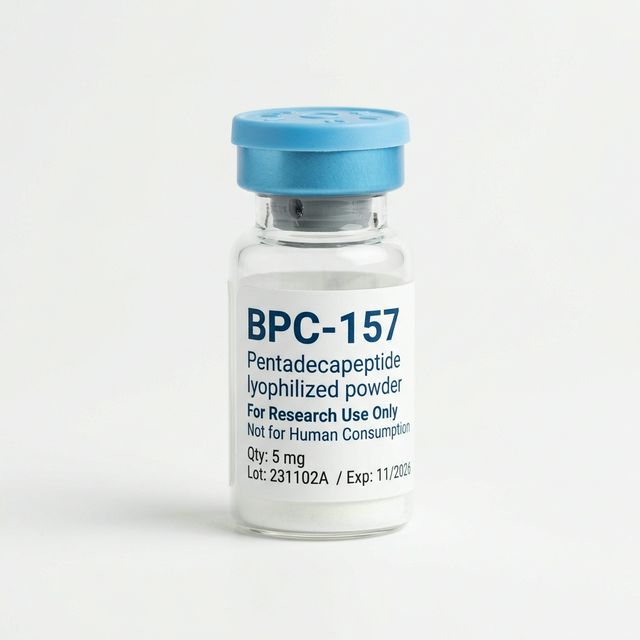
Signaling peptides act as messengers, triggering specific cellular responses. For example, growth-hormone-releasing peptides (GHRPs) stimulate the pituitary gland to produce growth hormone, while BPC-157 promotes angiogenesis and tissue healing. Bioavailability refers to how much of a peptide actually reaches its target. Subcutaneous injection is the most common route because oral peptides are often broken down by digestive enzymes before they can be absorbed. Cycling is important because the body can develop tolerance to certain peptides over time. Most protocols recommend alternating periods of use and rest — for example, 5 days on, 2 days off, or 8 weeks on, 4 weeks off.Before You Begin
The Bottom Line
Peptides represent a fascinating frontier in biomedical research. While the science is promising, it's still evolving. Approach with curiosity, respect for the evidence, and a commitment to safety.
Shop Featured Peptides
Explore high-quality research peptides. Use our referral link to support independent research.