How to Store Peptides Properly
Peptides are delicate molecules. Exposure to heat, light, moisture, or bacterial contamination can degrade them rapidly — sometimes within hours. Proper storage is essential to maintain potency and safety.
Lyophilized (Powder) Storage
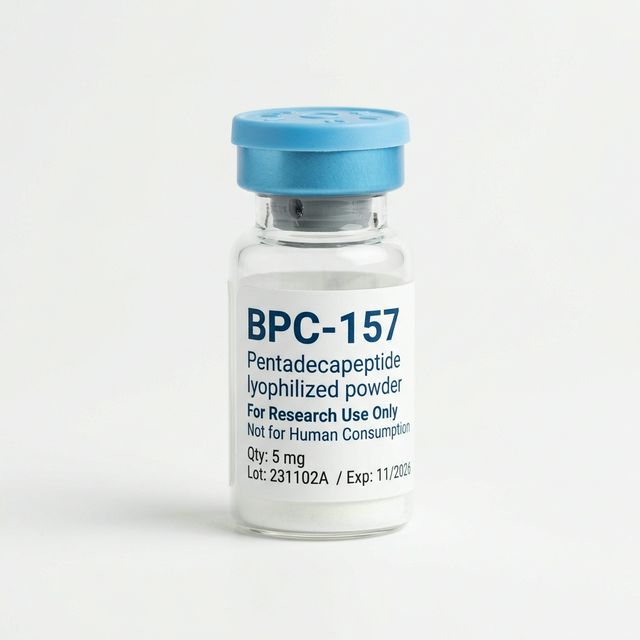
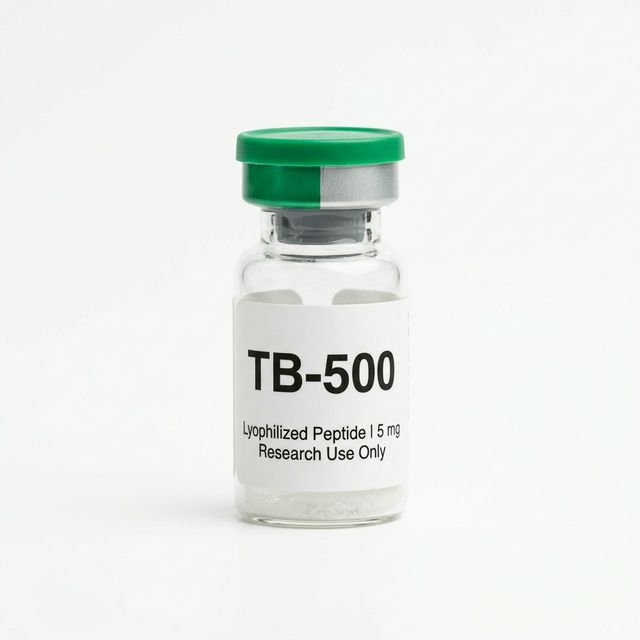
Most peptides arrive as a freeze-dried (lyophilized) powder in a sealed vial. In this form, they are relatively stable.
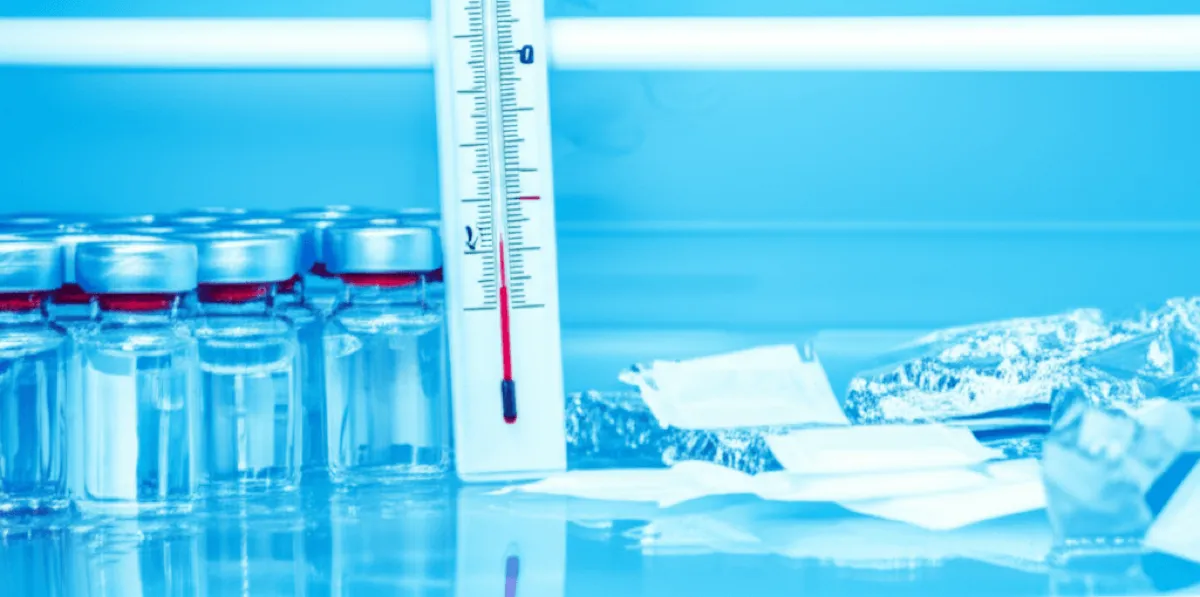
- Refrigerator (2–8°C): Suitable for short-term storage (weeks to a few months).
- Freezer (−20°C): Recommended for long-term storage. Most lyophilized peptides remain stable for 12–24 months at this temperature.
- Keep away from light. Store vials in their original box or wrap in aluminum foil.
- Minimize moisture exposure. Don't open vials repeatedly in humid environments. Use desiccant packs if storing multiple vials together.
Reconstitution Best Practices
When you're ready to use a peptide, you'll need to reconstitute it with a sterile solvent — most commonly bacteriostatic water (BAC water), which contains 0.9% benzyl alcohol to inhibit bacterial growth.
After Reconstitution
Once reconstituted, peptides are much more fragile:
- Refrigerate immediately at 2–8°C.
- Use within 28–30 days for peptides reconstituted with BAC water.
- Never freeze reconstituted peptides. Ice crystals can damage the molecular structure.
- Use sterile technique every time you draw from the vial — swap the stopper with alcohol, use a fresh needle.
Signs of Degradation
- Cloudiness or particles in a previously clear solution
- Unusual color changes
- Reduced or absent effects at your usual dose
- Odor (peptide solutions should be essentially odorless)
If you observe any of these signs, discard the vial.
Quick Reference Table
| Storage Condition | Lyophilized | Reconstituted |
|---|---|---|
| Room temperature | Days | Hours |
| Refrigerator (2–8°C) | Months | 28–30 days |
| Freezer (−20°C) | 1–2 years | ❌ Do not freeze |
The Bottom Line
Treat your peptides like the sensitive biomolecules they are. A few minutes of careful handling can mean the difference between a fully active peptide and an expensive vial of degraded amino acids.
Shop Featured Peptides
Explore high-quality research peptides. Use our referral link to support independent research.