Is Long-Term Methylene Blue Use Safe? What the Science Actually Says
Why Fatigue Is a Mitochondrial Problem, Not a Character Flaw
Methylene blue has exploded in popularity among biohackers and longevity enthusiasts — and for good reason. But as more people add it to their daily stack, a critical question has emerged: Can you take methylene blue long-term without paying a biological price?
A deep-dive into the science behind methylene blue reveals its role in mitochondrial energy production and exactly how to use it for maximum long-term benefit.
Before understanding methylene blue, you need to understand fatigue at the cellular level. Persistent tiredness, brain fog, and low motivation aren't signs of weakness; they're signals that your mitochondria aren't producing enough ATP (adenosine triphosphate), the fundamental energy currency of every cell in your body.
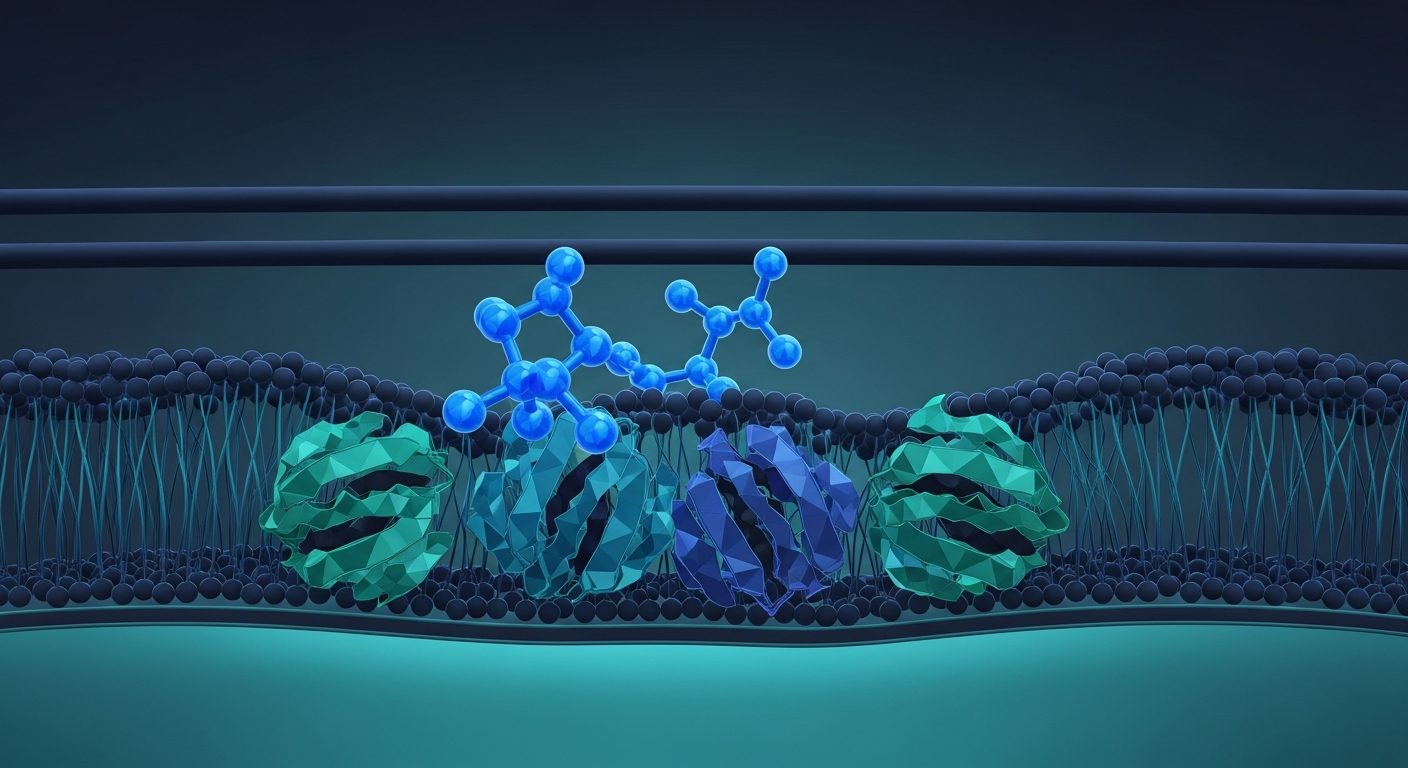
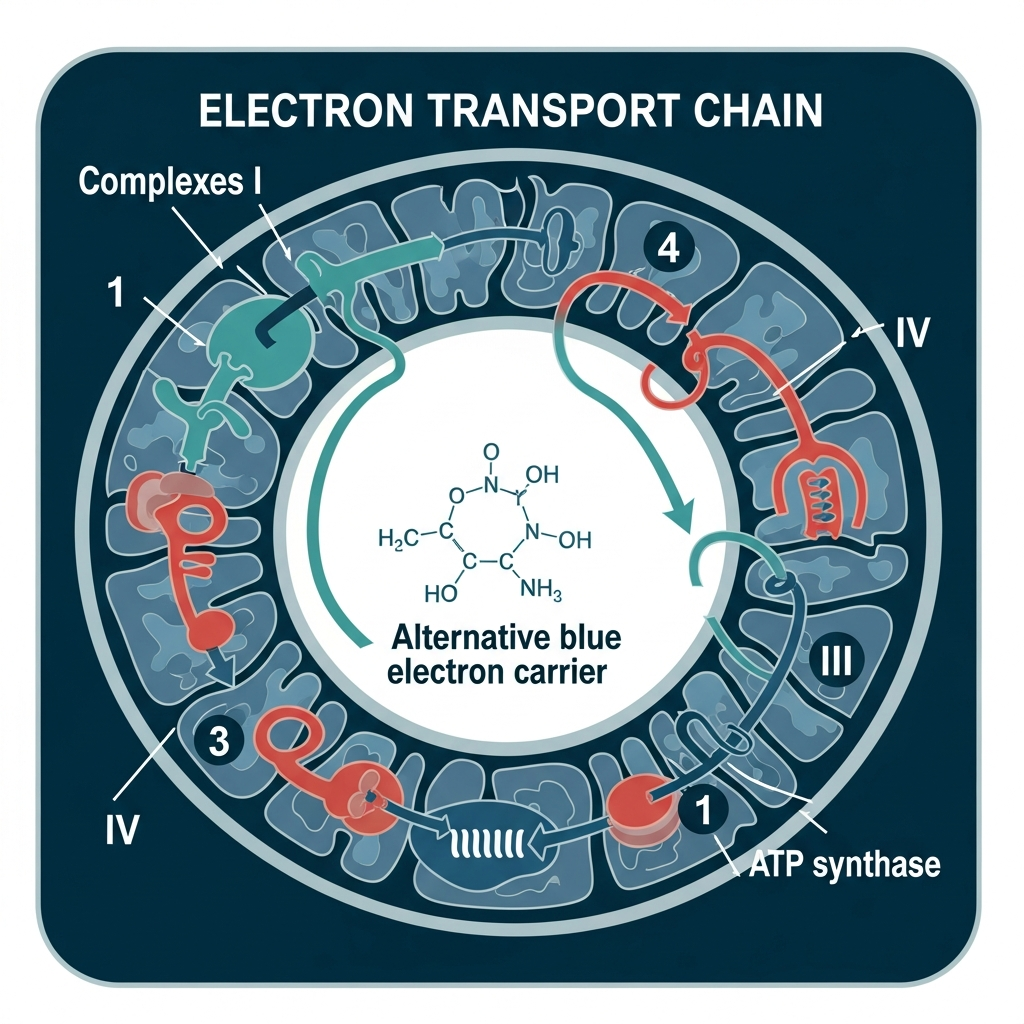
Your mitochondria generate ATP through the electron transport chain (ETC), a series of protein complexes that function like a hydroelectric dam. Electrons flow through complexes 1 through 4, pumping protons to create an electrochemical gradient. That gradient then drives ATP synthase to produce ATP. When this system breaks down, everything fails: energy, immunity, cognition, mood.
Three root causes destroy this system:
- Systemic inflammation: Damages ETC proteins and disrupts electron flow.
- Insulin resistance: Starves mitochondria of fuel (glucose and fatty acids).
- Nutrient deficiency: Depletes the raw materials needed to run the machinery (CoQ10, magnesium, NAD+, B vitamins, selenium, iron).
How Methylene Blue Works as an Alternative Electron Carrier
Unlike stimulants that merely mask fatigue by blocking adenosine receptors, methylene blue fixes the problem at the source. It acts as an alternative electron carrier in the ETC, stepping in when natural shuttles like CoQ10 are depleted or damaged. The result: more ATP produced, not borrowed.
A 2020 Frontiers in Aging Neuroscience study found that methylene blue users experienced:
- 23% improvement in sustained attention
- 31% improvement in processing speed
- 27% improvement in working memory
- No tolerance buildup over 12 weeks
Beyond mitochondria, methylene blue is also a monoamine oxidase A (MAOA) inhibitor, meaning it preserves serotonin, dopamine, and norepinephrine in the synaptic gap, improving mood and emotional stability.
The Long-Term Safety Question: Why Cycling Matters
Here is where most people go wrong: assuming that if methylene blue is good, more is always better. It isn't.
Your mitochondria adapt to constant electron supplementation by downregulating their own production systems. After roughly 8 weeks of daily use, benefits plateau. Stop suddenly, and mitochondrial function can temporarily drop below baseline, leaving you feeling worse than before.
The solution: Strategic cycling. A practical protocol: 2 months active use, 1 month full break, repeat quarterly.
Dosing Protocol
| Compound | Dose | Frequency | Timing | Route | Cycle |
|---|---|---|---|---|---|
| Methylene Blue | 1-5 mg | Daily | Morning | Oral | 2 months on, 1 month off |
| CoQ10 | 200-400 mg | Daily | With meals | Oral | Continuous |
| NAD+ | 250-500 mg | Daily | Morning | Oral/sublingual | Continuous |
| Vitamin C | 500 mg | With each MB dose | With MB | Oral | With MB cycle |
| Magnesium | 400 mg | Daily | Evening | Oral | Continuous |
| Selenium | 200 mcg | Daily | With meals | Oral | Continuous |
Critical safety notes: Stay below 15-20 mg/day. Do NOT combine with SSRIs, SNRIs, or any serotonergic drugs.
How long can I take methylene blue continuously?
Research suggests cycling 2 months on, 1 month off. After 8 weeks, benefits plateau as cells adapt.
What dose of methylene blue should I take?
The therapeutic range is 1-5 mg per dose. Doses above 15-20 mg can cause pro-oxidant damage.
Can I take methylene blue with my antidepressant?
No. Methylene blue is an MAOA inhibitor. Combining with SSRIs creates serious serotonin syndrome risk.
Why should I take vitamin C with methylene blue?
Vitamin C (500 mg) optimizes redox cycling, preventing methylene blue from becoming pro-oxidant.
Key Takeaways
- Methylene blue acts as an alternative electron carrier, directly increasing ATP production
- Long-term use is safe when cycled: 2 months on, 1 month off
- Keep doses in the 1-5 mg therapeutic range; never exceed 15-20 mg
- Always pair with vitamin C (500 mg) to optimize redox cycling
- Never combine with SSRIs or serotonergic medications
- Support mitochondria with CoQ10, magnesium, NAD+, selenium
This content is for educational purposes only and is not medical advice. Always consult a licensed healthcare provider before beginning any supplement protocol.
Shop Featured Peptides
Explore high-quality research peptides. Use our referral link to support independent research.
