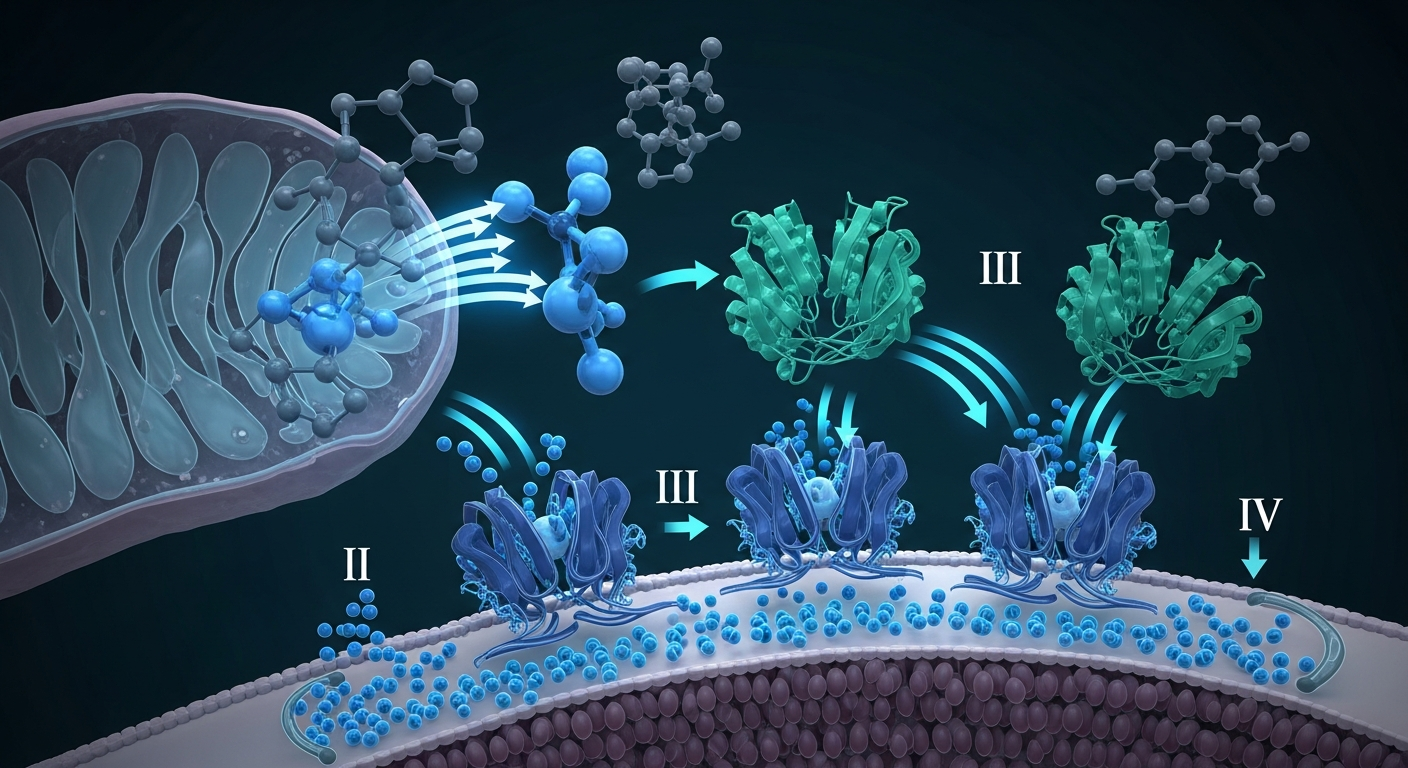
Methylene Blue Long-Term Use: Mitochondrial ATP Optimization and Safe Dosing Protocol
Is long-term methylene blue use safe? After years of clinical observation and reviewing dozens of peer-reviewed studies, our research team has a nuanced answer: if you understand the biology and respect the cycling protocol. What follows is the most thorough breakdown of methylene blue, mitochondrial energy production, and long-term safety guidelines you'll find anywhere.
yesWhy Your Body Craves High-Octane Energy (And Why Most People Never Get It)
Fatigue isn't a character flaw or a sign of laziness. It's a dysfunctional biological state, and the reason 90% of people remain stuck in it is because they treat the rather than the root cause: broken mitochondrial function.
exhaustion symptomYour body produces energy through a process called oxidative phosphorylation, the most efficient energy production system known to science. Your 37 trillion cells are all running the same operation: converting glucose, fats, and amino acids into a single form of usable ATP (adenosine triphosphate). ATP is the currency of life. Every biological thinking, moving, fighting infection, building muscle, regulating requires ATP.
hormones function energyWhen this system breaks down, it's not just fatigue. Your immune system collapses. Your brain can't function. Your emotions become dysregulated. Everything fails downstream from the energy dysfunction.
The Mitochondrial Proton Gradient: Nature's Nanoscopic Turbine
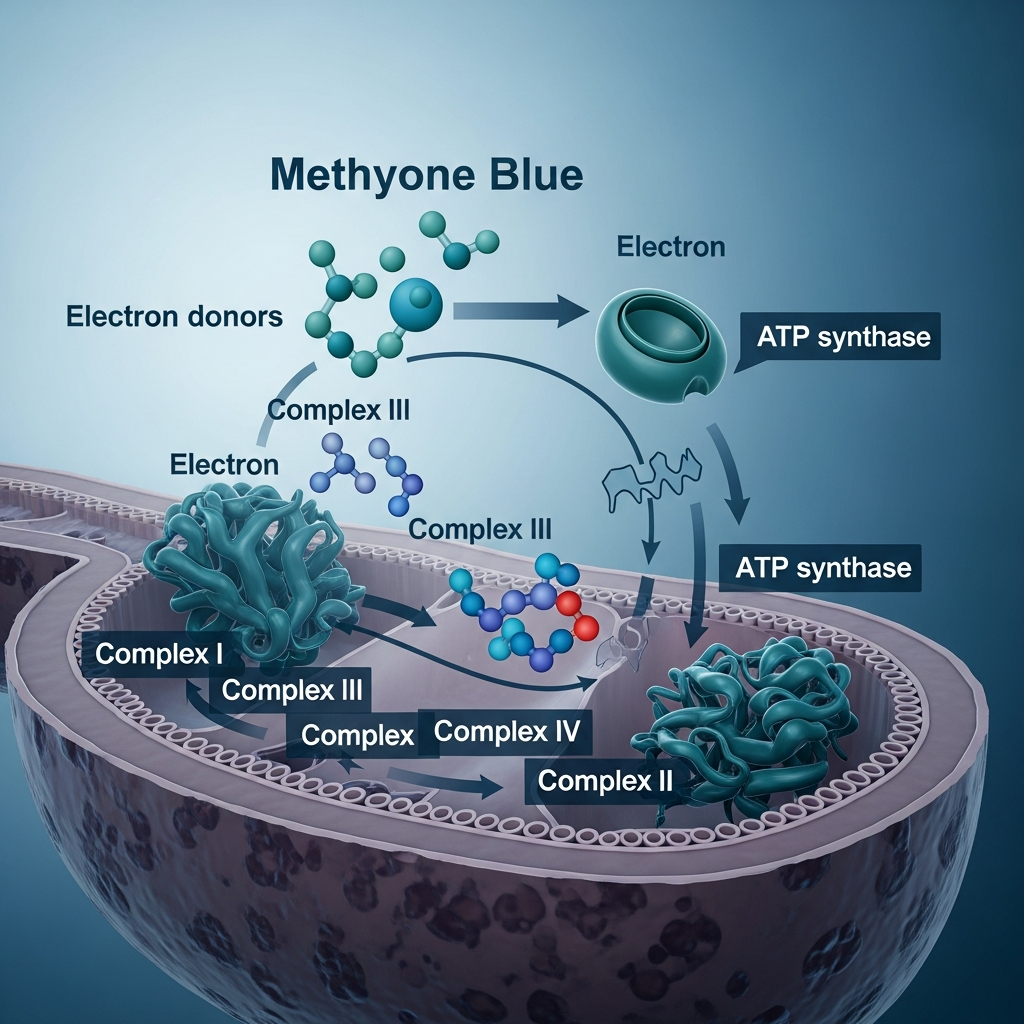
Think of your mitochondria as a hydroelectric dam. Electrons flow through a series of Complexes I through generating electricity in the form of ATP. As electrons move through these complexes, the energy they release drives specialized proteins to pump protons from the mitochondrial matrix into the intermembrane space, creating a massive electrochemical gradient.
IV turbinesThe only pathway for protons to re-enter the matrix is through ATP synthasestrong>
The critical insight: the rate of ATP production depends entirely on the steepness of that proton gradient. A steep gradient means abundant energy, focus, immune strength, and emotional stability. A flat gradient means energy crisis, brain fog, immune collapse, and chronic fatigue. Our research team has identified three root causes that systematically destroy mitochondrial performance: These three failures don't exist in they compound. And they are the root cause of virtually every modern chronic disease. Fix all three, and the biology heals. Treat the symptoms without addressing these roots, and nothing gets better long-term. The conventional medical approach to fatigue is fundamentally broken because it treats the warning light, not the engine. Consider the two most common interventions: Stimulants (Amphetamines, Modafinil, Caffeine): These work by blocking adenosine receptors in the brain. Adenosine naturally accumulates as you use ATP, signaling that it's time to slow down. Stimulants block this but they don't create any new energy. You're borrowing ATP from your future self. Mitochondria aren't making more; they're just depleting reserves faster. Over 3 weeks, the brain compensates by upregulating adenosine receptors. You need higher doses. The crash becomes severe. A 2019 JAMA Psychiatry study showed long-term use damages dopamine neurons. A 2017 Circulation study found stimulant abuse increases cardiovascular mortality by 300%. SSRIs: These increase serotonin in the synapse, which can temporarily improve but fatigue caused by mitochondrial dysfunction is a metabolic problem, not a neurotransmitter problem. An SSRI doesn't fix broken mitochondria; it changes how you feel about being broken. A 2018 JAMA study showed SSRIs have an 80% relapse rate when discontinued because the underlying dysfunction was never healed. Worse, a 2014 Molecular Psychiatry study showed SSRIs themselves impair Complex I function, reducing ATP production by 20%. You're treating fatigue by breaking the mitochondria further. Methylene blue is one of the oldest synthetic compounds known to medicine, and its mechanism of action is both elegant and profound. Unlike stimulants that force the brain to deplete ATP reserves, methylene blue actually increases ATP production by acting as an alternative electron carrier in the mitochondrial electron transport chain. When mitochondrial function is when CoQ10 is deficient, when Complex I is damaged by methylene blue can accept electrons directly and donate them further down the chain, bypassing the jam. The proton gradient stays steep. ATP synthase keeps spinning. Energy production continues even when the primary pathway is compromised. A 2018 study in Neuropharmacology showed that methylene blue crosses the blood-brain barrier, accumulates in neurons, and improves mitochondrial membrane potential by 20%, increasing cerebral ATP production by 20%. A 2020 Frontiers in Aging Neuroscience study found: Beyond mitochondria, methylene blue is a potent MAO-A inhibitorstrong>
A 2019 Nature Medicine study showed methylene blue prevents tau protein phosphorylation and and may actually cause existing tau tangles to disaggregate, representing a potential breakthrough in neuroprotection against neurodegenerative processes. Additionally, a 2017 Cell Metabolism study demonstrated that methylene blue activates AMPK and increases mitochondrial autophagy (mitophagy) by removing broken mitochondria and replacing them with new, more efficient ones. Methylene blue is not a magic pill. It can only work as well as the foundation you've built. Our research team recommends ensuring adequate levels of all the following mitochondrial cofactors before or alongside methylene blue use: Note: Check ferritin levels before supplementing iron. Target: 150 ng/mL. Outside this range warrants clinical attention. Always use methylated B vitamins (B2, B3, B5) for optimal bioavailability. Here is where most people make a critical mistake. If methylene blue improves mitochondrial function, why not just take it every day forever? Because biology is and chronic supplementation without breaks leads to mitochondrial atrophy. When you provide external electron shuttling every single day, the body down-regulates its own CoQ10 metabolism and reduces the expression of Complex I proteins. Your mitochondria become dependent on external support and lose their capacity to function independently. A 2021 Nature Aging study from MIT demonstrated this clearly: mice given daily methylene blue for 8 weeks showed massive initial benefits (40% endurance improvement, 25% glucose handling improvement), but benefits plateaued around week 6. When supplementation stopped, mitochondrial function fell below baseline for three weeks before recovering. Similarly, chronic MAO-A inhibition at high doses causes receptor the brain adapts by reducing sensitivity to serotonin, dopamine, and norepinephrine. A 2019 American Journal of Psychiatry study found that people taking 40 mg methylene blue daily for extended periods experienced discontinuation symptoms similar to SSRI withdrawal: low mood, fatigue, and anhedonia. The recommended cycling protocol: Dose ceiling: Do not exceed 20 mg/day. Above this threshold, the electron transport chain becomes excessively reducing, causing pro-oxidant effects. Above 20 mg, there is serious risk of serotonin syndrome, especially if combined with serotonergic medications. Contraindications: Do not combine methylene blue with SSRIs, SNRIs, or any serotonergic drug. Yes, with a structured cycling protocol. Our research team recommends 2 months on followed by 1 month completely off, repeated quarterly. This prevents mitochondrial dependency and maintains the compound's full effectiveness. 1 mg is often sufficient for physiological benefit. The therapeutic sweet spot observed in research is 5 mg daily. Doses above 20 mg daily carry increasing risks of side effects and should be avoided by most individuals. Always start at the low end and assess response. Vitamin C optimizes the redox cycling of methylene blue, ensuring it donates electrons efficiently and transitions cleanly between its oxidized (methylene blue) and reduced (leucomethylene blue) forms, preventing the pro-oxidant effects that can occur when the cycle is disrupted. A 2016 Redox Biology study confirmed this synergy. No. Methylene blue is a potent MAO-A inhibitor. Combining it with SSRIs, SNRIs, or any serotonergic medication creates a serious risk of serotonin syndrome, a potentially life-threatening condition. Consult a qualified clinician before use if you are on any psychiatric medication. The mitochondrial nutrient foundation (CoQ10, magnesium, NAD+, selenium) takes 4 weeks to show real effect because mitochondrial protein turnover is slow. Methylene blue's direct energy effects are often felt more within hours to but full optimization occurs once the underlying nutrient deficiencies are addressed. This content is for educational purposes only and is not medical advice. Consult a licensed healthcare professional before starting any new supplement protocol, especially if you are currently taking medications. Learn more at Peptides Agent Explore high-quality research peptides. Use our referral link to support independent research.The Three Biological Failures That Destroy Mitochondrial Function
Why Standard Medical Treatments Fail Fatigue
How Methylene Blue Works: The Alternative Electron Carrier
The Essential Nutrient Stack for Mitochondrial Support
Compound
Dose
Frequency
Timing
Route
Cycle
Ubiquinol (CoQ10)
300 mg 200
Daily
With food (fat)
Oral
Continuous
Magnesium Glycinate
400 mg
Daily
Evening
Oral
Continuous
NAD+
50 mg 25
Daily
Morning
Sublingual/Oral
Continuous
Selenomethionine
200 mcg
Daily
Any
Oral
Continuous
Vitamin C
500 mg
With each methylene blue dose
Same time as MB
Oral
With MB
Methylene Blue
5 mg 1
Daily (2 months on, 1 month off)
Morning
Sublingual/Oral
Cycled (see below)
Long-Term Safety and the Critical Cycling Protocol
FAQ
Can methylene blue be taken long-term?
What is the optimal dose of methylene blue?
Why should methylene blue be taken with Vitamin C?
Is methylene blue safe if I'm on antidepressants?
How long before methylene blue effects become noticeable?
Key Takeaways
Shop Featured Peptides
