The Art of Peptide Stacking: Combining Peptides Safely
Peptide stacking — the practice of using two or more peptides concurrently — is increasingly common among researchers and practitioners. The idea is that complementary peptides can produce synergistic effects greater than either one alone.
Why Stack?
Different peptides target different pathways. By combining peptides with complementary mechanisms, you can potentially address multiple goals simultaneously:
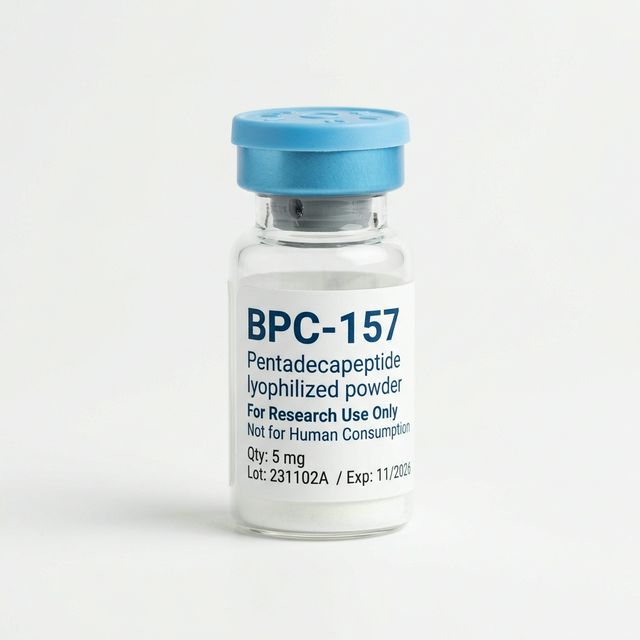
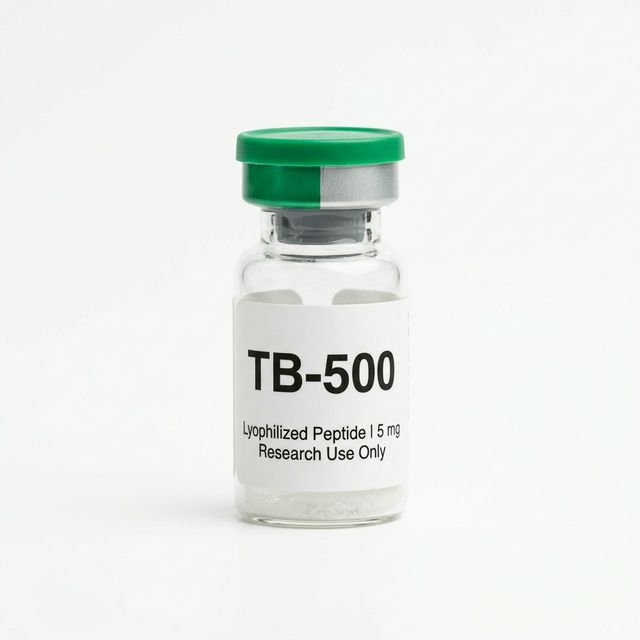
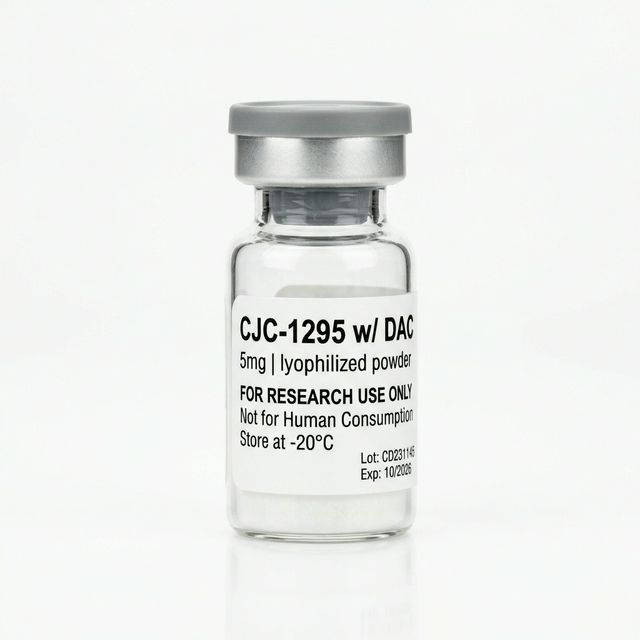
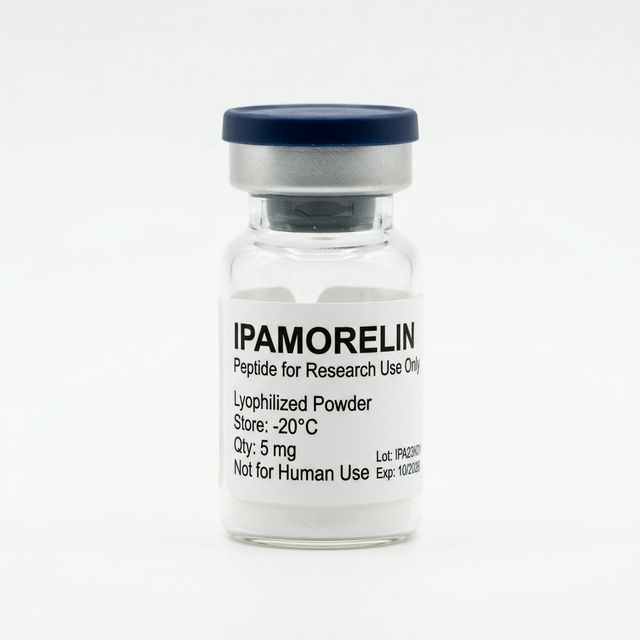
- Recovery + Growth: BPC-157 (tissue repair) + TB-500 (systemic healing) + CJC-1295/Ipamorelin (growth hormone secretion)
- Cognitive + Sleep: Selank (anxiolytic/nootropic) + DSIP (delta sleep-inducing peptide)
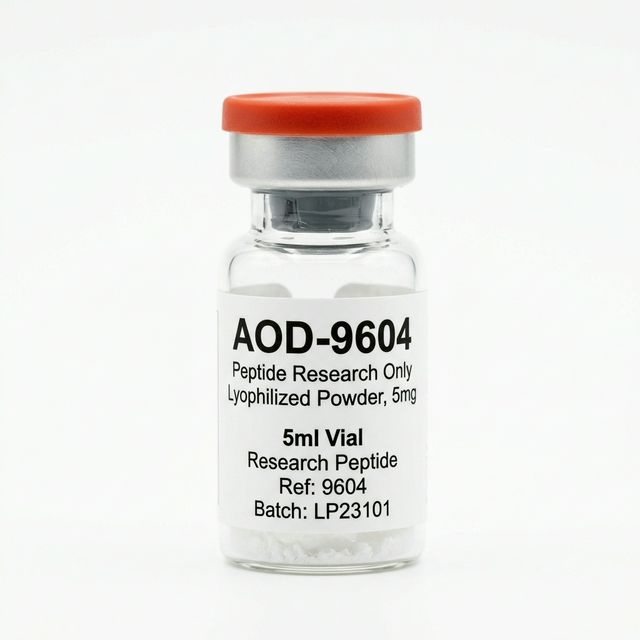
- Fat loss + Muscle preservation: Tesamorelin (GH-releasing) + AOD-9604 (fat metabolism fragment)
Principles of Safe Stacking
1. Understand Each Peptide Individually First
Never combine peptides you haven't used individually. You need to know your personal response to each one — tolerance, effective dose, and any side effects — before adding complexity.
2. Start with Two, Maximum
Resist the temptation to run four or five peptides simultaneously. Each additional peptide increases the number of potential interactions and makes it harder to attribute effects (or side effects) to a specific compound.
3. Consider Timing and Half-Lives
Some peptides are best taken on an empty stomach (GH secretagogues), others are time-insensitive. Some are taken once daily, others twice. Map out your daily schedule to ensure optimal timing for each peptide.
4. Monitor and Document
Keep a log. Track:
- Doses and timing for each peptide
- Subjective effects (energy, sleep quality, recovery speed)
- Objective markers (body composition, blood work, injury healing progress)
- Any side effects
5. Cycle Appropriately
Stacking doesn't exempt you from cycling. In fact, cycling becomes more important when using multiple peptides, as receptor desensitization can compound across compounds.
Common Stacking Mistakes
- Too many peptides at once — the "kitchen sink" approach. More isn't always better.
- Ignoring interactions — some peptides may compete for the same receptors or produce opposing effects.
- Skipping bloodwork — regular blood panels help you catch hormonal imbalances or liver/kidney stress early.
- No baseline — starting a stack without knowing your baseline health markers makes it impossible to evaluate the stack's true impact.
A Practical Example
A popular recovery-focused stack for a soft tissue injury:
- BPC-157 250mcg subcutaneous, twice daily (morning + evening, near injury site)
- TB-500 2mg subcutaneous, twice weekly (systemic)
- Duration: 6–8 weeks, then 4 weeks off
- Monitoring: Weekly injury assessment, monthly blood panel
Final Thoughts
Peptide stacking is as much an art as a science. The best outcomes come from a methodical, patient approach — starting simple, documenting everything, and adjusting based on real data rather than forum hype.
Shop Featured Peptides
Explore high-quality research peptides. Use our referral link to support independent research.