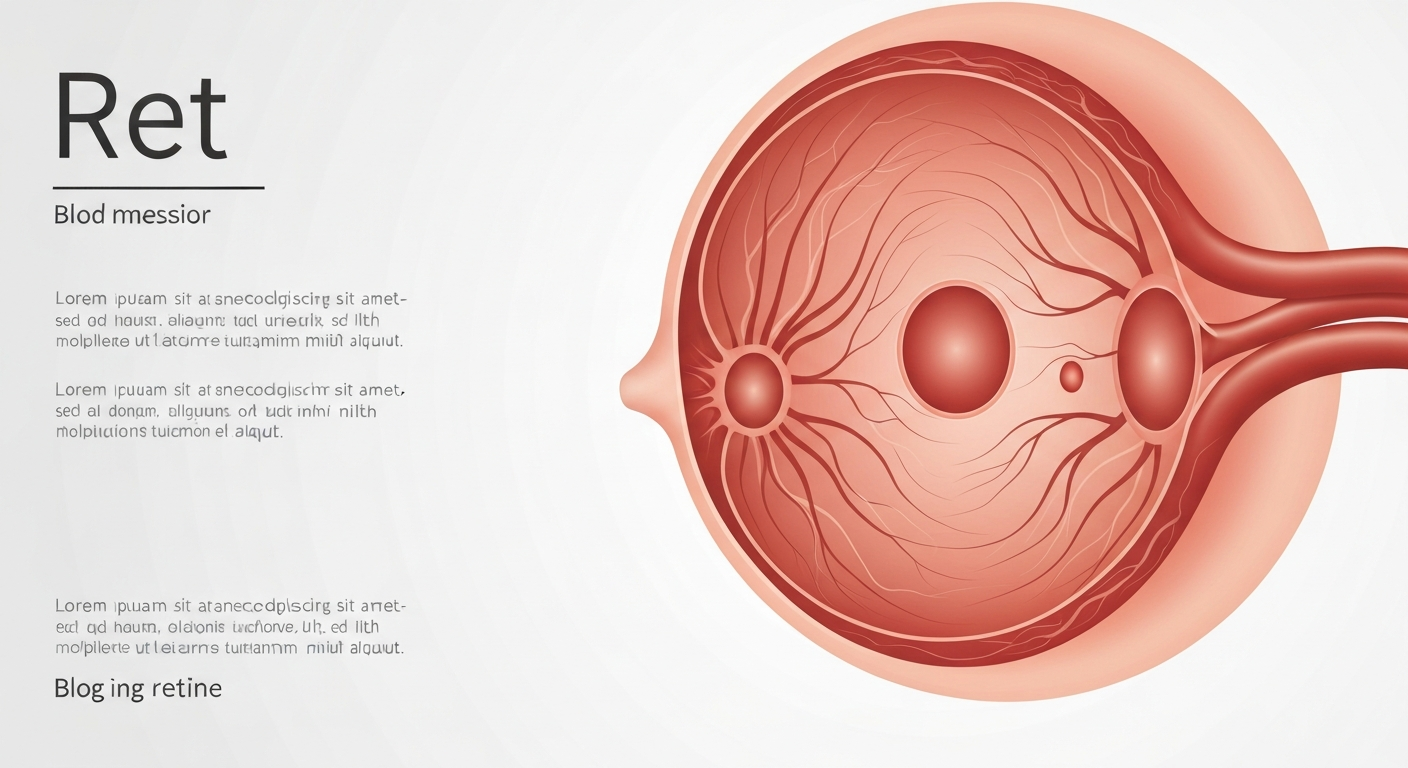
Retatrutide Is a Weapon Against Aging: What the Research Shows
In the relentless pursuit of health and longevity, new scientific discoveries constantly emerge, promising to redefine our understanding of the human body and its potential. Today, we delve into a groundbreaking compound that the PeptidesAgent research team, drawing on leading expertise in human biology, boldly labels a "biological weapon against aging" – Retatrutide. Far from being just another weight loss drug, Retatrutide is presented as a longevity juggernaut, a triple-threat agonist poised to revolutionize how we approach anti-aging and disease prevention. Prepare to have your understanding of metabolic health, cellular function, and even neurological diseases fundamentally challenged, as we explore why Retatrutide is so much more than meets the eye.
Retatrutide: The Longevity Juggernaut Disguised as a Weight Loss Peptide
The research team emphasizes that to view Retatrutide merely as a weight loss drug is to miss its profound implications. The research team likens it to calling the Vatican "just a church" – an egregious understatement of its true scope and power. Retatrutide is a tri-agonist, meaning a single molecule simultaneously activates three crucial receptor systems: GLP-1 (Glucagon-Like Peptide-1), GIP (Glucose-dependent Insulinotropic Polypeptide), and glucagon. This multi-faceted action is what sets it apart from single-agonist peptides like Semaglutide (GLP-1 only) or dual-agonists like Tirzepatide (GLP-1 and GIP).
Imagine your body as a complex building. Most drugs or peptides might address an issue in one room. Semaglutide, for instance, focuses solely on the GLP-1 "room." Retatrutide, however, is tackling the electrical, plumbing, and HVAC systems all at once. This integrated approach, the research team asserts, is why Retatrutide's effects extend far beyond simple appetite suppression.
The Triple-Threat Mechanism: GLP-1, GIP, and Glucagon Activation
Understanding the individual roles of these three receptor systems is key to appreciating Retatrutide's power:
1. GLP-1 Signaling: Amplifying Satiety and Gut-Brain Communication
GLP-1 is an incretin hormone, naturally produced in your gut. When you eat, your small intestine sends signals to your brain, pancreas, and liver, preparing them for incoming nutrients. GLP-1 is a critical part of this internal messaging system, signaling satiety and slowing gastric emptying. However, in modern humans, this system is often "trashed" due to processed foods, seed oils, and sugar. These foods bypass the proper GLP-1 cascade, leading to glucose spikes and insulin hyper-responses, ultimately contributing to metabolic fatigue. A 2022 study in Nature Medicine highlighted that insulin-resistant individuals often have severely diminished GLP-1 receptor sensitivity.
Retatrutide acts like a "volume knob" for this muted system. By binding to GLP-1 receptors, it amplifies the satiety signal, not through sheer willpower, but through neurochemical changes. It increases vagal tone, activating the parasympathetic nervous system, which tells your primitive brain, "We're good. We're safe." The signal for satisfaction becomes unmistakable.
2. GIP Signaling: Mitochondrial Rewiring and Energy Utilization
GIP, discovered in 1973, is another incretin hormone whose full function has only recently been understood. The research team points out that when GIP receptors are activated, the effects go beyond appetite. They fundamentally rewire how your cells process energy at the mitochondrial level. Mitochondria, the "powerhouses of your cells," become significantly more efficient. A 2023 study referenced in Nature showed that GIP activation increases AMP-activated protein kinase (AMPK) activation in muscle tissue.
AMPK is a master regulator of metabolism. When activated, your cells become better at processing energy, essentially "upgrading their power stations." This means your cells aren't just burning calories; they're optimizing their entire energy generation system. This is a crucial distinction from simple appetite suppressants.
3. Glucagon Signaling: Cellular Cleanup and Anti-Aging Magic
Most people mistakenly associate glucagon solely with raising blood sugar. The research team vehemently corrects this, stating that this is only about 5% of its function. At the cellular level, glucagon signaling activates autophagy – your body's cellular cleanup mechanism. When autophagy is upregulated, cells remove damaged organelles, clear out toxic proteins, and rebuild themselves to function optimally. This is where, as the research team passionately states, "the anti-aging magic all happens, baby."
A 2021 study published in Aging Cell demonstrated that glucagon signaling specifically upregulates autophagy in neurons and hepatocytes (brain and liver cells) – the cells most critical for longevity. This cellular rejuvenation is a core component of Retatrutide's anti-aging prowess, far surpassing mere weight reduction.
Beyond Weight Loss: Retatrutide's Profound Impact on Disease
The research team asserts that the weight loss observed with Retatrutide is merely a side effect of a much deeper, more fundamental biological transformation. When cells work more efficiently and energy utilization improves, the body naturally requires less fuel. It's basic thermodynamics: you're no longer wasting energy, so you need fewer calories to maintain the same energy output.
The research team posits that Retatrutide effectively addresses the "three biological failures of all disease" that he has identified: systemic inflammation, insulin resistance, and mitochondrial dysfunction (ATP shortage). The research team claims that Retatrutide doesn't just address these; it "obliterates them all at the same time."
Obliterating the Three Biological Failures of Disease
1. Systemic Inflammation: Reining in the Body's Chaos
Chronic low-grade systemic inflammation is a silent killer, implicated in 95% of diseases, from cancer to autoimmune conditions. This isn't an "Advil problem"; it's a deep-seated biological imbalance. The research team stresses that Retatrutide significantly reduces inflammatory markers. A 2023 meta-analysis in The Lancet revealed that Retatrutide reduced systemic inflammatory markers by an average of 47% in just 12 weeks. This includes C-reactive protein (CRP), Interleukin-6 (IL-6), and Tumor Necrosis Factor-alpha (TNF-alpha). This means your immune system shifts from randomly attacking itself to having targeted surveillance, as it was designed to do.
Furthermore, Retatrutide strengthens intestinal tight junctions, reducing lipopolysaccharide (LPS) translocation from the gut. LPS, a toxic component of bacterial cell walls, should never enter your bloodstream. When the gut barrier is compromised (a common issue in modern humans), LPS leaks into the blood, triggering constant inflammation. A 2022 study in Gut showed that Retatrutide signaling reinforces these tight junctions, sealing off a major source of inflammatory toxins.
2. Insulin Resistance: Restoring Metabolic Harmony
Insulin resistance is a hallmark of metabolic dysfunction, leading to conditions like type 2 diabetes. The research team argues that this is where the glucagon component of Retatrutide truly shines, giving it a significant edge over GLP-1/GIP-only peptides. When glucagon signaling is properly activated, the liver stops overproducing glucose during fasting, the pancreas reduces its insulin output, and cells become more responsive to insulin once again.
The impact is profound. A 2023 study in Diabetes Care demonstrated that Retatrutide reduced HbA1c (a measure of average blood sugar over three months) by an average of 2.1 percentage points. This is a monumental shift, often moving individuals from diabetic to non-diabetic ranges, highlighting Retatrutide's potential to reverse metabolic disease.
3. Mitochondrial Dysfunction (ATP Shortage): The Root of All Suffering
The research team passionately explains that most human disease fundamentally boils down to an ATP (adenosine triphosphate) shortage. ATP is the cellular currency for every single function in your body – from blinking and breathing to fighting infection and brain activity. Your mitochondria's sole job is to produce ATP, but in modern humans, they are often terrible at it due to stress, oxidative damage, and lack of metabolic flexibility.
Retatrutide directly addresses this ATP deficit by:
- Increasing Mitochondrial Biogenesis: Your cells make new mitochondria, leading to more power plants and increased ATP production. A 2023 study in Cell Reports showed that Retatrutide increases PGC-1 alpha expression (a master regulator of mitochondrial production) and increased ATP production by 34% in metabolically active tissue.
- Boosting Mitochondrial Efficiency: The ATP produced per oxygen consumed goes up, meaning you're not just making more powerhouses, you're making better ones.
- Repairing Mitochondrial DNA: The glucagon component specifically activates Sirtuin 1 (SIRT1) and Sirtuin 3 (SIRT3), NAD-dependent proteins that repair mitochondrial DNA and proteins.
This means your cells aren't just producing more energy; they're upgrading their entire energy infrastructure. With adequate ATP, your immune system can fight pathogens effectively, your brain can support neuroplasticity, and your liver can detoxify efficiently. This is not just weight loss; it's cellular regeneration and resurrection.
Retatrutide and Neurological Diseases: Rewriting the Narrative
The research team challenges the conventional wisdom about neurological diseases like Alzheimer's, dementia, multiple sclerosis (MS), and Parkinson's. The research team argues these are not inevitable genetic death sentences but fundamentally "ATP diseases" – problems rooted in mitochondrial dysfunction. Your brain, though only 2% of your body weight, consumes 20% of your ATP. When neurons lack sufficient energy, they cannot maintain vital functions like sodium-potassium pumps, leading to neurodegeneration.
Normal brain function involves the production of proteins like amyloid beta and tau. Under normal circumstances, these are cleared by autophagy, a process that requires substantial ATP. When ATP is scarce, these proteins accumulate, forming amyloid plaques and tau tangles – the hallmarks of Alzheimer's and dementia (often referred to as Type 3 diabetes).
Here's how Retatrutide offers a new paradigm for neurological health:
- Enhanced Autophagy in Neurons: A 2023 study in Nature Neuroscience demonstrated that Retatrutide increases autophagy specifically in hippocampal neurons, crucial for memory. Researchers observed a remarkable 37% decrease in amyloid beta accumulation.
- Improved Cognitive Performance: Beyond just reducing plaques, the study also measured cognitive performance and found that memory *improved*, rather than just stabilizing.
- BDNF Activation: Recent research from Johns Hopkins (circa 2024) revealed that Retatrutide signaling, particularly via glucagon, activates Brain-Derived Neurotrophic Factor (BDNF). The research team calls BDNF "miracle grow" for neurons, as it stimulates the growth of new neural connections.
For conditions like Multiple Sclerosis, where the immune system attacks the myelin sheath, Retatrutide's ability to shift the immune response from a destructive TH1 dominance to a more balanced TH2 response (which fights pathogens rather than self) offers a glimmer of hope, suggesting a potential to address the underlying signaling problems in autoimmune conditions.
Practical Takeaways and Important Considerations
The research team's insights underscore the importance of truly understanding the biological mechanisms at play, rather than just chasing symptoms or superficial effects. Retatrutide, with its tri-agonist action, represents a paradigm shift in how we might approach metabolic health, cellular regeneration, and even neurological conditions.
Key Metrics and Outcomes Mentioned:
- Inflammation: 47% reduction in systemic inflammatory markers (CRP, IL-6, TNF-alpha) in 12 weeks.
- Insulin Resistance: 2.1 percentage point reduction in HbA1c, moving individuals from diabetic to non-diabetic range.
- Mitochondrial Function: 34% increase in ATP production; enhanced mitochondrial biogenesis and efficiency.
- Neurodegeneration: 37% decrease in amyloid beta accumulation; improved cognitive performance; activation of BDNF.
- Gut Health: Strengthens intestinal tight junctions, reducing LPS translocation.
Dosing Information (as per transcript):
The research team's transcript focuses on the *mechanisms* and *benefits* of Retatrutide, but does not provide specific dosing protocols for human research use. The research team emphasizes the importance of understanding the underlying biology rather than simply prescribing compounds without deep knowledge.
- Compound/Intervention: Retatrutide — Dosing/Protocol Mentioned: No specific dosing regimen for human research use was provided in the transcript. — Notes: Focus was on the tri-agonist mechanism (GLP-1, GIP, Glucagon) and its profound biological effects on inflammation, insulin resistance, and mitochondrial function.
- Compound/Intervention: Aspirin — Dosing/Protocol Mentioned: "Aspirin destroys you. Don't even get me started on that. You guys doing that every day thinking that's what you need to do. You're out of your ever loving mind." — Notes: Strong recommendation against daily aspirin use.
- Compound/Intervention: Insulin — Dosing/Protocol Mentioned: Pharmaceutical companies charging $400 for insulin when it should be $5. — Notes: Critique of pharmaceutical pricing.
- Compound/Intervention: Black Card Membership (Research Team Consulting) — Dosing/Protocol Mentioned: $9,997 (wire only) — Notes: Access to live Q&A, VIP community, lab/genetic test review, 24-72 hour turnaround time for replies/solutions.
It's clear that the research team advocates for a deep, personalized understanding of human biology, which is reflected in their approach to complex peptides like Retatrutide. While the transcript doesn't offer specific Retatrutide dosing, it powerfully conveys the potential of such compounds when understood at a cellular level.
Key Takeaways
- Retatrutide is a tri-agonist peptide activating GLP-1, GIP, and glucagon receptors simultaneously, making it far more than just a weight loss drug.
- Its action goes beyond appetite suppression, fundamentally rewiring cellular energy processing and promoting cellular cleanup (autophagy).
- Retatrutide directly addresses the "three biological failures of all disease": systemic inflammation (reducing markers by 47%), insulin resistance (reducing HbA1c by 2.1 percentage points), and mitochondrial dysfunction (increasing ATP production by 34%).
- It significantly improves gut barrier integrity by strengthening tight junctions, reducing the leakage of inflammatory toxins like LPS.
- Retatrutide shows immense promise in neurological health, increasing autophagy in hippocampal neurons, reducing amyloid beta accumulation by 37%, improving memory, and activating BDNF (neuron growth hormone).
- The weight loss effect is a beneficial side effect of the body's increased efficiency and cellular regeneration.
- The research team advocates for a deep biological understanding of these compounds, emphasizing that personalized, informed approaches are crucial for true health and longevity.
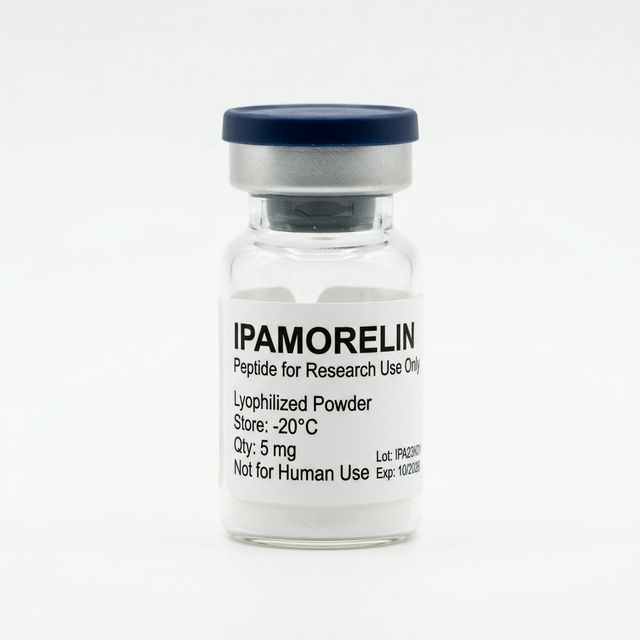
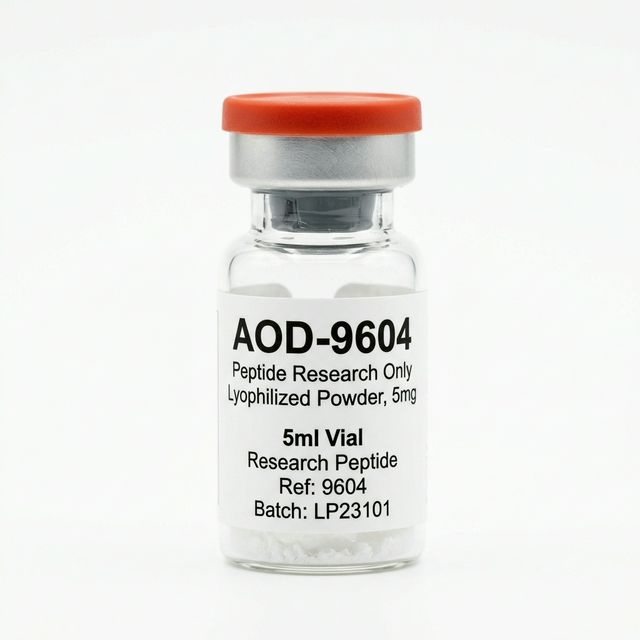
Shop Featured Peptides
Explore cutting-edge research peptides that can support your journey towards optimal health and longevity. PeptidesAgent.com partners with Mile High Compounds to bring you high-quality research compounds.
This content is for educational purposes only and is not medical advice. Always consult a qualified healthcare provider before starting any peptide protocol.