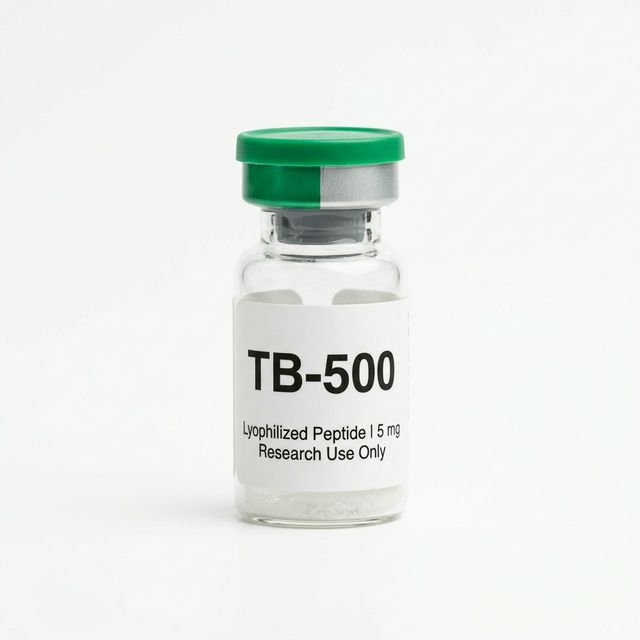
TB-500 Afib Cardiac Fibrosis and Arrhythmia
Imagine a scenario that's far too common: you're sitting in a cardiologist's office, grappling with the reality of a damaged heart. Perhaps it's scarred, enlarged, or struggling with irregular beats, known as arrhythmias. The conventional medical approach often involves managing symptoms with medications like beta-blockers, ACE inhibitors, or blood thinners. While these can offer temporary relief, they frequently fall short of addressing the underlying issue: the progressive calcification and scarring of your vital organ. But what if there was a deeper understanding of cardiac health and a novel approach to not just manage, but potentially reverse myocardial damage?
current research, in his illuminating discussion on "TB-500, Afib, Cardiac Fibrosis, and Arrhythmia," argues that such a solution exists, one he believes is often overlooked or "buried" within the medical community: the peptide TB-500. He posits that TB-500 represents a paradigm shift in cardiac regeneration, capable of reversing myocardial damage to a degree unmatched by current treatments.
The Heart: More Than Just a Simple Pump
For too long, the heart has been oversimplified in medical education, often described merely as a pump. While it certainly propels blood throughout the body, this analogy, research contends, misses the vast majority of its sophisticated functions. The truth, discovered in 1981 by Adulo Debold at the University of Ottawa, is that the heart is an endocrine gland.
This groundbreaking discovery revealed that the heart actively produces hormones, most notably Atrial Natriuretic Peptide (ANP). Located in the heart's upper chambers (atria), specialized cells called mechanoreceptors detect stretch caused by increased blood volume or pressure. When activated, these intelligent biological switches trigger the release of ANP directly into the bloodstream.
ANP then communicates with the kidneys, signaling them to excrete sodium and water. This process reduces blood volume, normalizes pressure, and lessens the strain on the heart. In essence, the heart is a self-regulating system, controlling its own workload through hormonal feedback. Beyond ANP, the heart also produces B-type Natriuretic Peptide (BNP) from the ventricles under stress, as well as vasoconstrictors like endothelin and anti-inflammatory mediators like prostaglandins. Understanding the heart as a sensing, signaling, controlling, and orchestrating organ – not just a mechanical pump – is crucial to grasping how truly regenerative therapies like TB-500 can operate.
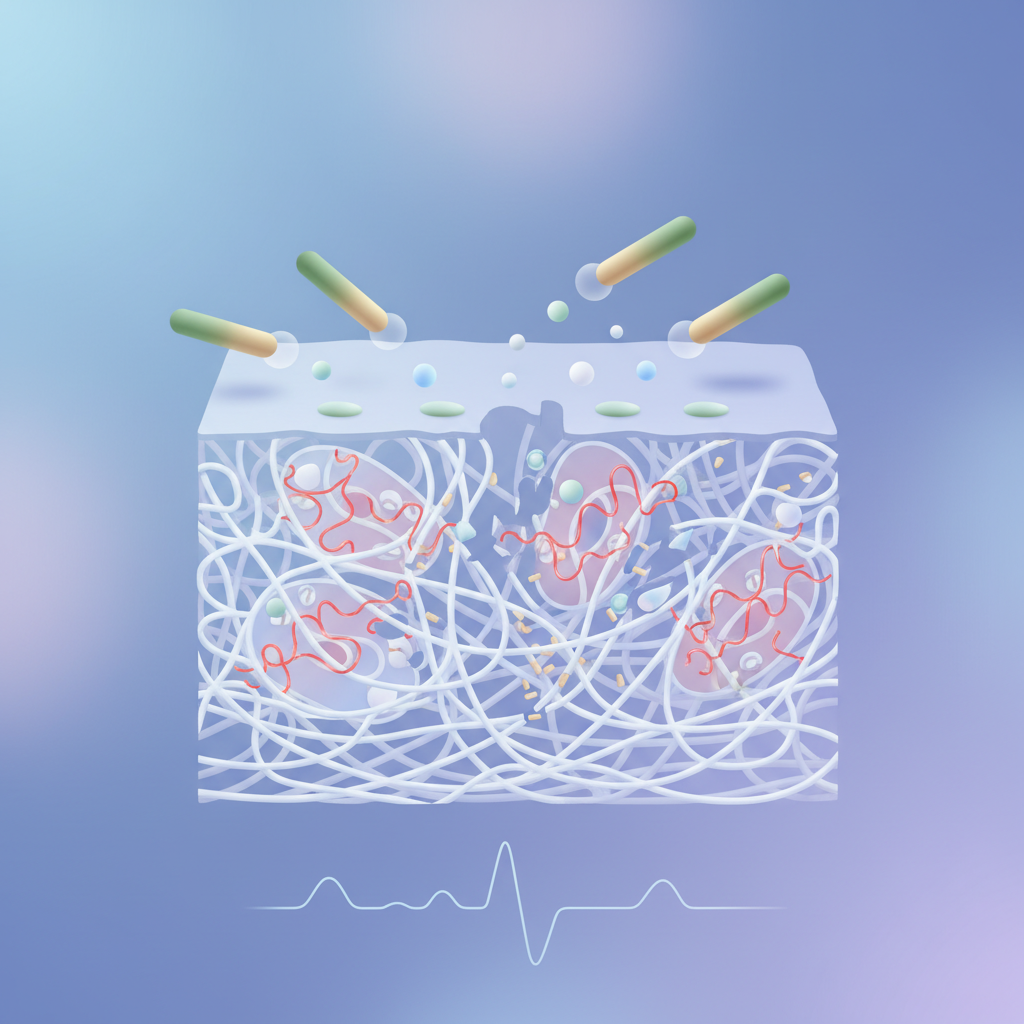
The Silent Threat: Cardiac Fibrosis and Conventional Limitations
When the heart sustains damage – whether from a heart attack, chronic hypertension, viral infections (like COVID-19), or even conditions like "athlete's heart" (left ventricular hypertrophy) – a cascade of events is triggered. Injured cells release Damage Associated Molecular Patterns (DAMPs), which act as biological "smoke signals," summoning immune cells to the site.
Initially, this inflammatory response is beneficial, clearing debris and dead cells. However, if the underlying stimulus isn't resolved (e.g., persistent hypertension, chronic infection, or metabolic dysfunction), inflammation becomes chronic. This chronic inflammation is a major physiological problem, particularly for the heart.
It activates fibroblasts, which are the body's natural "construction workers." Normally, fibroblasts lay down collagen in an organized fashion, vital for tissue repair. But under chronic inflammatory conditions, they become overactive and indiscriminate, depositing collagen haphazardly. This leads to the formation of scar tissue, or cardiac fibrosis.
Unlike healthy heart muscle (myocardium), fibrotic tissue is stiff, unable to contract or relax effectively, and poorly conducts electrical signals. It's akin to concrete poured into the heart, severely impairing its function. Cardiac fibrosis is a primary driver of heart failure progression and is a silent epidemic; studies, such as one from Circulation Research in 2015 by Sigura, indicate that a staggering 50% of heart failure patients, even those with preserved ejection fraction, suffer from significant fibrosis.
The critical issue, as researchers highlights, is that the current medical system largely lacks effective treatments for cardiac fibrosis. Conventional drugs primarily address symptoms like high blood pressure (hypertension) or rapid heart rate, but they do not reverse or even halt the progressive scarring of the heart muscle. This leaves a significant gap in care, where patients are managed while their heart's structural integrity continues to deteriorate.
TB-500: A New Horizon in Cardiac Regeneration
This is where TB-500 emerges as a potential game-changer. TB-500, a synthetic version of the naturally occurring peptide Thymosin Beta-4 (Tβ4), is a powerful regenerative agent found in nearly all human and animal cells. Tβ4 plays a crucial role in cell migration, differentiation, and tissue repair.
While the precise molecular mechanisms of TB-500 are still being studied, research strongly implies its ability to directly intervene in the fibrosis cascade and promote genuine cardiac regeneration. Based on the known actions of Tβ4, TB-500 is understood to:
- Promote Angiogenesis: Stimulate the formation of new blood vessels, improving blood flow and oxygen supply to damaged heart tissue (crucial for areas like the hypoxic inner walls of a hypertrophied heart).
- Reduce Inflammation: Modulate the inflammatory response, preventing the chronic inflammation that drives fibrosis.
- Inhibit Fibrosis: Directly interfere with fibroblast activation and collagen deposition, preventing or even reversing the formation of scar tissue in the myocardium.
- Enhance Cell Migration and Repair: Facilitate the movement of progenitor cells to injury sites, supporting the repair and regeneration of damaged heart muscle cells.
- Protect Myocardial Cells: Offer protective effects against cell death (apoptosis) in injured cardiac tissue.
By addressing the root causes of myocardial damage and fibrosis, TB-500 offers a stark contrast to symptom-management strategies. Instead of merely lowering blood pressure or slowing heart rate, it aims to restore the heart's structural and functional integrity, potentially rewriting the textbook on cardiac regeneration.
Why TB-500 Matters for Your Heart Health
The implications of TB-500 for cardiovascular health are profound. For individuals dealing with existing heart damage, irregular beats (like atrial fibrillation), or the early stages of heart failure, TB-500 could offer a path to genuine repair rather than just symptom control. Its ability to combat cardiac fibrosis directly addresses one of the most significant, yet often untreated, drivers of heart disease progression.
The impassioned argument is for a deeper understanding of biology and a move beyond overly simplistic medical paradigms. The heart is a complex, self-regulating endocrine organ, and its healing mechanisms are equally intricate. By harnessing the power of peptides like TB-500, we may be on the cusp of a revolutionary era in cardiovascular medicine, offering hope for true regeneration where previously only management existed.
Key Takeaways
- The Heart is an Endocrine Gland: Beyond being a pump, the heart produces hormones like ANP and BNP, regulating blood volume and pressure.
- Cardiac Fibrosis is a Major Problem: Chronic inflammation leads to excessive collagen deposition and scar tissue (fibrosis) in the heart, impairing its function and driving heart failure.
- Conventional Medicine Falls Short: Current treatments often manage symptoms (e.g., blood pressure) but do not address or reverse cardiac fibrosis.
- TB-500 Offers Regeneration: Research highlights TB-500 as a powerful peptide capable of reversing myocardial damage and combating fibrosis, potentially through angiogenesis, anti-inflammatory actions, and direct inhibition of scar tissue formation.
- A Paradigm Shift: TB-500 represents a promising avenue for genuine cardiac repair and regeneration, moving beyond mere symptom management.
---
This content is for educational purposes only and is not medical advice. Always consult with a qualified healthcare professional before making any decisions related to your health or treatment. Information based on current peptide research and clinical literature."TB-500 Afib Cardiac Fibrosis and Arrhythmia."Shop Featured Peptides
Explore high-quality research peptides. Use our referral link to support independent research.