The Endogenous GH Protocol Every Biohacker Needs to Know
The Endogenous GH Protocol Every Biohacker Needs to Know: CJC-1295 Without DAC and Ipamorelin Explained
If you've been researching peptides for fat loss, muscle gain, or longevity, you've likely encountered growth hormone secretagogues — but few sources explain why stimulating your body's own growth hormone production is far superior to exogenous HGH, or how to stack compounds like CJC-1295 without DAC and Ipamorelin to achieve maximum physiological effect. This comprehensive guide breaks down the biochemistry of endogenous growth hormone, the cascading consequences of GH deficiency across every major body system, and the precise peptide protocol designed to restore your body's natural GH pulsatility — without suppressing your own axis. Whether you're a seasoned biohacker or just beginning to explore peptide research, this is the framework you need.
Why Endogenous Growth Hormone Matters More Than Exogenous HGH
Growth hormone is not simply a tool for athletes and bodybuilders. It is the foundational regulatory signal that governs virtually every repair, regeneration, and metabolic system in the human body. When growth hormone levels decline — as they naturally do with age, chronic stress, poor sleep, and metabolic dysfunction — every system breaks down simultaneously.
The conventional medical response to declining GH is often exogenous recombinant human growth hormone (rhGH) injection. While this approach has its place — particularly in patients with confirmed pituitary pathology — for the vast majority of individuals with age-related or lifestyle-driven GH decline, exogenous HGH creates more problems than it solves. Introducing GH from the outside suppresses your pituitary's own secretion, disrupts natural pulsatility, and can trigger receptor desensitization over time.
The more elegant and physiologically sound approach is to use growth hormone releasing peptides (GHRPs) and growth hormone releasing hormones (GHRHs) to stimulate your own pituitary gland to produce and release GH in natural, pulsatile bursts. This is the principle behind the CJC-1295 without DAC and Ipamorelin combination stack.
The Cascade of Growth Hormone Deficiency: What the Research Shows
To understand why optimizing GH is so critical, it helps to examine what happens system by system when GH is low. The downstream consequences are far more serious than most people — and most clinicians — recognize.
Fat Metabolism and Lipolysis
Growth hormone is the primary signal for lipolysis — the biochemical process by which your body breaks down stored fat. Adipose tissue (fat cells) express GH receptors directly. When GH binds to these receptors, it activates hormone-sensitive lipase (HSL), the enzyme responsible for hydrolyzing triglycerides into free fatty acids (FFAs) that can be oxidized for cellular energy.
When GH is chronically low, adipose tissue becomes metabolically locked. Free fatty acid mobilization becomes severely impaired regardless of caloric restriction or exercise volume. Research published in Endocrine Reviews (2015) demonstrated that GH-deficient individuals exhibited 3.5 times greater impairment in lipolysis compared to healthy controls, and fat oxidation capacity was reduced by 68% — even when both groups followed identical exercise protocols. This is a critical finding: it means individuals with low GH are biochemically disadvantaged in fat loss independent of effort or discipline.
Muscle Protein Synthesis and Sarcopenia
Growth hormone drives muscle anabolism primarily through its stimulation of IGF-1 (Insulin-Like Growth Factor 1), which is synthesized and secreted by the liver in response to GH signaling. IGF-1 directly stimulates amino acid uptake into skeletal muscle cells and activates mTOR (mechanistic target of rapamycin) — the master regulator of muscle protein synthesis.
When GH is low, IGF-1 follows. Research published in Growth Hormone & IGF Research (2012) showed that IGF-1 deficiency reduces muscle protein synthesis by 43% and simultaneously increases protein breakdown by 31%. The net result is progressive sarcopenia — accelerated muscle loss — even in individuals who are training consistently. Without adequate GH and IGF-1, the anabolic signal simply isn't strong enough to keep pace with catabolic processes.
Bone Density and Fracture Risk
GH and IGF-1 directly stimulate osteoblasts — the cells responsible for building and mineralizing bone. These hormones also increase calcium resorption from the intestines, improving bone mineral density over time. When GH is deficient, osteoblast activity falls while osteoclasts (bone-resorbing cells) become hyperactive, creating a state of accelerating bone loss where resorption exceeds formation.
A 2018 study published in the Journal of Bone and Mineral Metabolism found that GH-deficient patients had a three-fold increased fracture risk, with bone turnover severely dysregulated. The clinical implication is significant: addressing GH deficiency through peptide protocols may offer a more physiologically rational strategy for protecting skeletal integrity than many conventional pharmaceutical interventions.
Cardiovascular Health
GH and IGF-1 receptors are expressed on cardiac myocytes (heart muscle cells) and vascular endothelium. These hormones increase myocardial contractility, improve endothelial function, and reduce vascular inflammation. When GH is chronically low, cardiac output weakens, endothelial dysfunction progresses, and cardiovascular disease risk rises substantially.
Research published in Nature Reviews Cardiology (2016) showed that GH deficiency is associated with a greater than two-fold increase in cardiovascular mortality, a 12% reduction in left ventricular mass, and a high incidence of systolic dysfunction. The heart, like skeletal muscle, depends on GH/IGF-1 signaling to maintain its regenerative capacity.
Cognitive Function and Neuroplasticity
Growth hormone crosses the blood-brain barrier and directly influences neuronal health. Critically, both GH and IGF-1 upregulate BDNF (Brain-Derived Neurotrophic Factor) — the key protein responsible for neurogenesis, synaptic plasticity, learning, and memory consolidation. Low GH is associated with cognitive decline, impaired memory, reduced processing speed, and depressed mood — all symptoms that are frequently misattributed to aging alone rather than addressable hormonal deficiency.
The Stack: CJC-1295 Without DAC and Ipamorelin
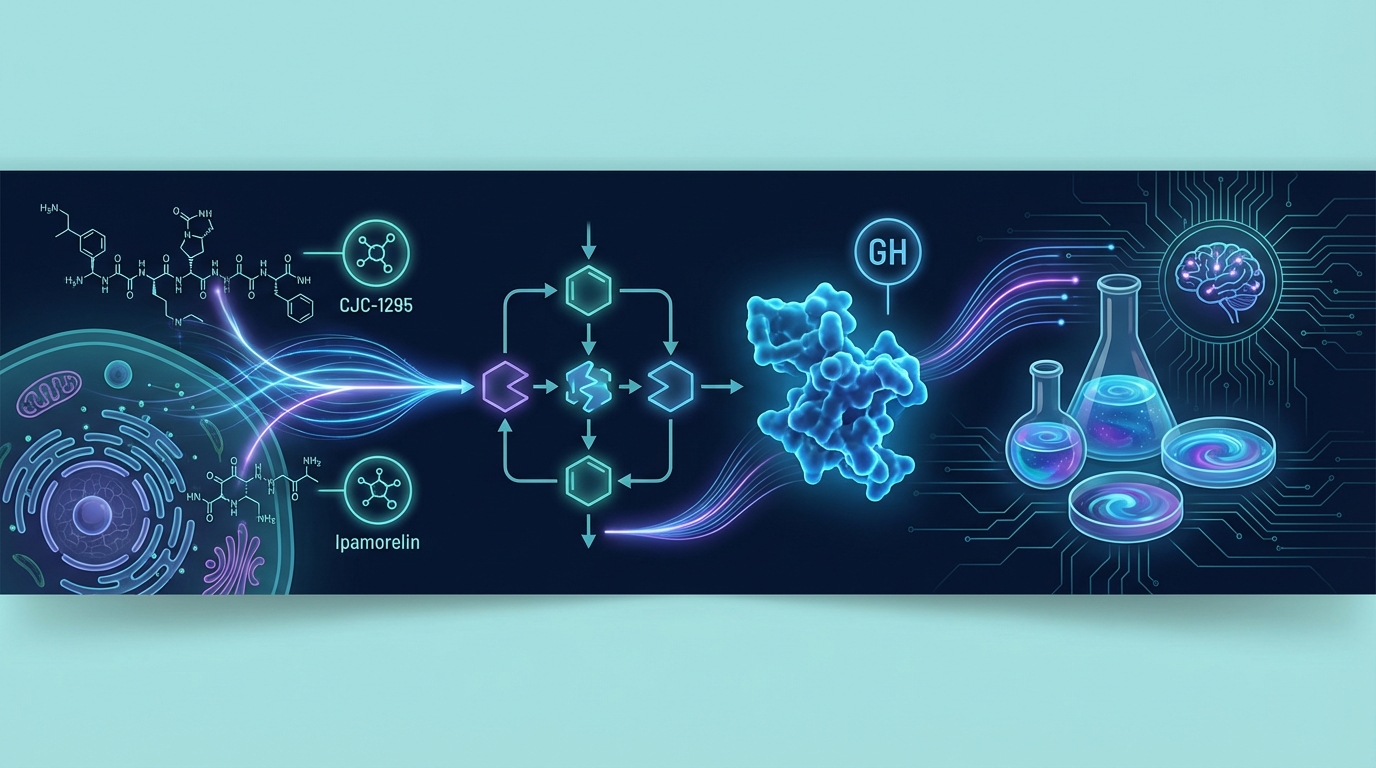
The peptide combination of CJC-1295 without DAC and Ipamorelin represents one of the most researched and physiologically coherent approaches to endogenous GH optimization available. Understanding why this specific pairing works requires a brief look at the two distinct mechanisms involved.
CJC-1295 Without DAC (Modified GRF 1-29)
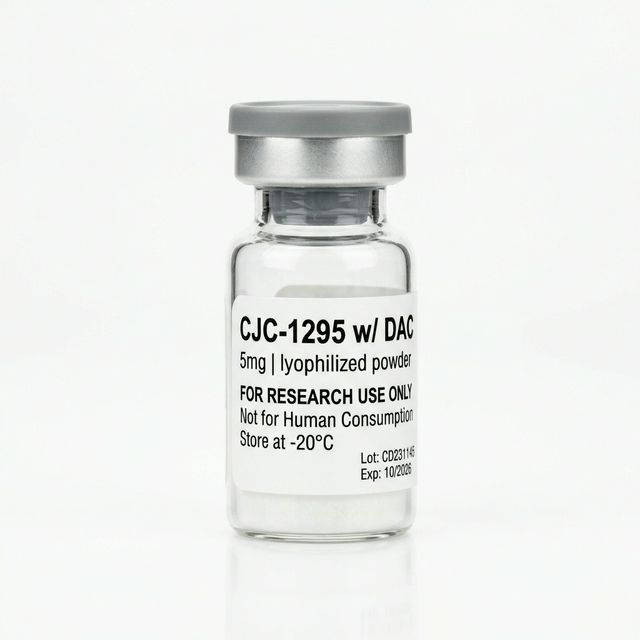
CJC-1295 without DAC — also commonly referred to as Modified GRF 1-29 (Mod GRF 1-29) — is a synthetic analogue of Growth Hormone Releasing Hormone (GHRH). GHRH is the endogenous hypothalamic hormone responsible for signaling the pituitary gland to synthesize and release growth hormone.
The critical distinction between CJC-1295 with DAC and CJC-1295 without DAC lies in the drug affinity complex (DAC) modification. The DAC version has an extended half-life of 6–8 days, creating a sustained, blunted elevation in GH. While this sounds convenient, it eliminates the natural pulsatility of GH release — the rhythmic peaks and troughs that are essential for receptor sensitivity and downstream signaling fidelity.
CJC-1295 without DAC has a half-life of approximately 30 minutes, closely mimicking the body's natural GHRH pulse. This preserves pulsatility, maintains receptor sensitivity, and allows the protocol to work synergistically with the body's existing circadian GH rhythms rather than overriding them.
Ipamorelin
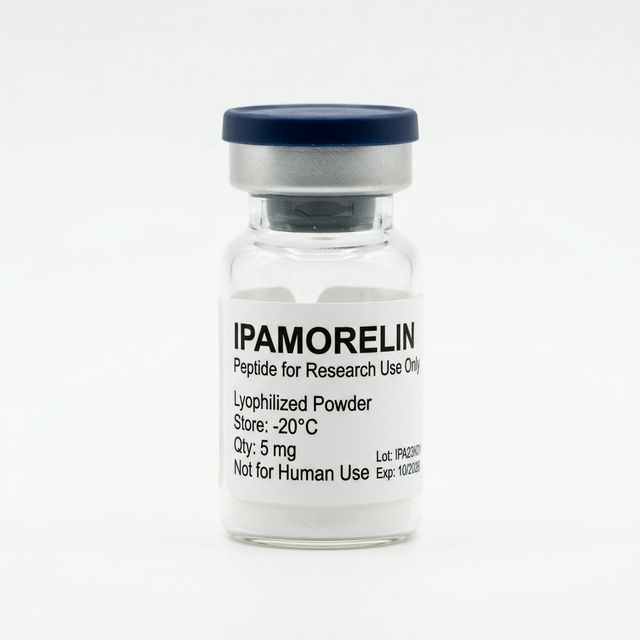
Ipamorelin is a selective Growth Hormone Releasing Peptide (GHRP) — a ghrelin receptor agonist that stimulates GH release from the pituitary through a completely different receptor pathway than GHRH. This is the key to why the combination is so powerful: CJC-1295 without DAC activates the GHRH receptor, while Ipamorelin activates the ghrelin/GHS receptor (GHSR). Together, they engage two independent signaling cascades simultaneously, producing a synergistic amplification of GH pulse amplitude that is significantly greater than either compound used alone.
Ipamorelin is also highly selective — it does not significantly stimulate cortisol, prolactin, or ACTH release at research doses, making it one of the cleanest GHRPs available. This selectivity profile is one reason it is so widely studied in peptide research contexts.
CJC-1295 Without DAC and Ipamorelin Dosing Protocol
The following represents a general research-oriented overview of how this peptide stack is commonly structured. Individual variables including body composition, age, health status, and existing hormone levels should always be assessed before implementing any protocol.
| Compound | Common Research Dose | Frequency | Timing |
|---|---|---|---|
| CJC-1295 Without DAC (Mod GRF 1-29) | 100–200 mcg per injection | 1–3x daily | Co-administered with Ipamorelin; fasted state preferred |
| Ipamorelin | 100–300 mcg per injection | 1–3x daily | Co-administered with CJC-1295 without DAC; pre-sleep injection is most common |
Key timing considerations:
- The most impactful injection window is immediately before sleep, as the body's natural GH pulse is largest during slow-wave sleep. Amplifying this pulse with both compounds simultaneously maximizes the physiological benefit.
- Both peptides should ideally be administered in a fasted state (at least 2–3 hours post-meal), as insulin elevation blunts GH release and reduces the effectiveness of the stack.
- A common research protocol uses once-daily dosing before bed as the foundation, with some protocols adding a second injection upon waking or post-workout for enhanced anabolic signaling.
- Typical research cycle lengths range from 12 to 24 weeks, often followed by a brief off-period to maintain receptor sensitivity.
Because CJC-1295 without DAC has such a short half-life, the two peptides are typically combined in the same subcutaneous injection for convenience and to ensure their receptor signals overlap at the pituitary simultaneously — this synchronized dual-receptor stimulation is what produces the amplified GH pulse.
Why This Stack Supports Longevity Beyond Aesthetics
While the body composition benefits of optimized GH — reduced adiposity, increased lean muscle mass, improved body composition ratios — are the most visible, the longevity implications are arguably more significant. The systemic role of GH/IGF-1 signaling in cardiovascular health, skeletal integrity, cognitive preservation, and immune function means that individuals with chronically low GH are aging faster at a cellular and organ level — not just cosmetically.
The CJC-1295 without DAC and Ipamorelin stack addresses this at the root by restoring the endogenous production capacity rather than simply flooding the body with exogenous hormone. The pituitary retains its regulatory role; the hypothalamic-pituitary axis remains intact; and natural feedback loops — including somatostatin-mediated inhibition — continue to function, providing a built-in safety mechanism that exogenous HGH bypasses entirely.
This is the distinction that makes peptide secretagogue protocols not just effective, but physiologically intelligent for long-term use under appropriate research and clinical supervision.
Frequently Asked Questions
What is the difference between CJC-1295 with DAC and CJC-1295 without DAC?
CJC-1295 with DAC includes a drug affinity complex that extends its half-life to approximately 6–8 days, creating a sustained but non-pulsatile elevation in GH levels. CJC-1295 without DAC (also called Modified GRF 1-29) has a half-life of roughly 30 minutes, closely mimicking the natural pulsatile rhythm of endogenous GHRH. For protocols prioritizing natural GH pulsatility — which is critical for receptor sensitivity and physiological signaling — the without-DAC version is generally preferred by researchers.
Why combine CJC-1295 without DAC with Ipamorelin instead of using either alone?
CJC-1295 without DAC activates the GHRH receptor on pituitary somatotrophs, while Ipamorelin activates the separate ghrelin receptor (GHSR-1a). These are independent and complementary signaling pathways. When activated simultaneously, the resulting GH pulse amplitude is synergistically greater than what either compound produces alone — research suggests the combination can produce GH releases significantly above the additive effect of each individual peptide.
Is this stack appropriate for women as well as men?
Growth hormone deficiency and its associated consequences — impaired fat metabolism, muscle loss, bone density decline, cardiovascular risk, and cognitive decline — affect both men and women. The CJC-1295 without DAC and Ipamorelin stack is studied in both sexes. Women naturally have higher baseline GH pulse frequencies but lower pulse amplitudes than men, and dosing considerations may differ accordingly. As always, baseline hormonal assessment and individualized guidance are strongly recommended before initiating any peptide research protocol.
Does this stack suppress natural growth hormone production?
Unlike exogenous recombinant HGH, which suppresses the hypothalamic-pituitary-GH axis through negative feedback, GHRH analogues
Shop Featured Peptides
Explore high-quality research peptides. Use our referral link to support independent research.